The planet's first legal think tank dedicated to climate migrants
Category: The Archive
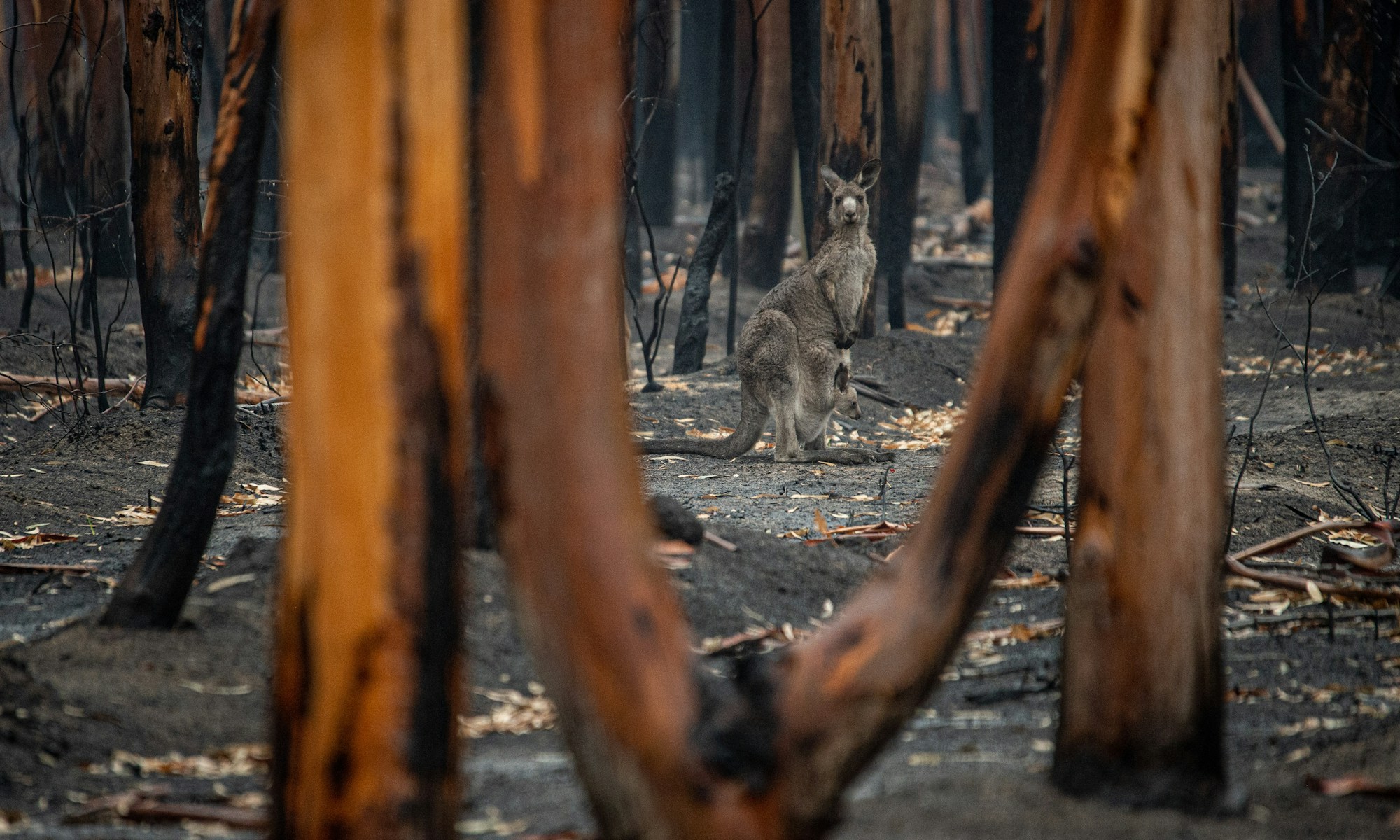
Contrary to common stereotyping, climate change does not solely constitute melting ice caps in Antarctica. Extreme weather conditions worldwide such as floods in Bangladesh, hurricanes in the U.S., and Australian wildfires are the result of human-caused climate change.
The Institute for Economics and Peace (IEP), a think tank that produces annual global terrorism and peace indexes, said 1.2 billion people lived in 31 countries that are not sufficiently resilient to withstand these ecological threats. At Earth Refuge, we hope to confront this crisis through targeted research, international advocacy and legal recourse.
This Archive is a collection of papers, think pieces and insights from legal experts, environmentalists, and anyone with experience or interest in this field.
If you would like to contribute, please submit your piece, idea or any questions you may have to [email protected]. The format for submission can be anything from a paper or a webinar to a podcast. The minimum length for written pieces is 400 words and must be submitted as a Word document. For articles, please hyperlink sources and for longer academic pieces, use end notes.
Thank you for all your support – here’s to securing a future for the planet and its people 🌏
Food is and always has been our most intimate connection to our natural environment—a source of security, spirituality, and sustenance. The emergence of modern agriculture is most commonly linked to the First Agricultural Revolution, marked by the domestication of grain in the Fertile Crescent, around 10,000 years ago. However, not only did this feat occur independently (and nearly simultaneously) in countless regions around the world, but human societies have been shaping and manipulating landscapes to produce food for a far longer period of history.
While the domestication of grain may have laid the foundation for our modern global food system—allowing for a rapid increase in centralized power, taxation, and even the beginnings of export agriculture—it was predated by a myriad of sustainable agricultural techniques that are still utilized by countless cultures around the world today, such as controlled burning or the “slash and burn” technique, pruning, and harvesting wild seeds and roots. Evidently, many histories have converged to establish the food systems we experience today. The Industrial Revolution catalyzed the mechanization of agriculture, agricultural processing, and distribution, while the discovery of the Haber-Bosch process and the subsequent Green Revolution of the mid-1900s allowed for the massive surge in large-scale monoculture and factory farming, thus establishing the chief characteristics of our current global food system.
But this food system is far from perfect. Despite the reality that roughly one-third of all food produced globally for human consumption (~1.3 billion tons/year)[1] ends up uneaten and decomposing in landfills, broad regions across the world still suffer from chronic hunger and food insecurity, a term defined by the United States Department of Agriculture (USDA) as “a lack of consistent access to enough food for an active, healthy life”[2]. Meanwhile, decades of agricultural intensification via monoculture and the use of synthetic fertilizers have led to crises of mass desertification, eutrophication, and groundwater depletion—challenges that disproportionately harm small farmers and marginalized groups rather than the large agricultural companies that instigated them. As the agricultural industry becomes more central to the discussion of climate change, due to both its use of fossil-fuel based fertilizers as well as the substantial methane footprint of Concentrated Animal Feeding Operations (CAFOs), the idea of sustainable or regenerative agriculture is emerging more in mainstream debate as a possible solution.
It is ironic that the principles and practices of groups that have historically been exploited and dismantled in the name of Western ‘progress’ may very well be the foundation for our path to salvation. In telling the story of one such group, the Navajo Nation, I hope to call attention to the central role that food plays in the conversation of environmental justice, and the necessity of dismantling historical structures of colonialism in order to build a sustainable future.
A Brief History of the Navajo Nation
The largest Native American reservation in the United States (US), the Navajo Nation spans about 16 million acres, or ~25,000 square miles, and extends into the states of Arizona, New Mexico, and Utah.[3] Despite representing one of the first and only instances in history during which the US government allowed indigenous people to return to their ancestral land, the history of Navajo sovereignty is long and rife with violence.
In 1864, after the US defeated Mexico and gained control over the vast territory recognized today as California and the Southwest United States, Colonel Kit Carson established a “scorched earth policy”[4]: an order to burn all Navajo homes and crops, and to steal or kill their remaining livestock. Starved and outnumbered, members of the Navajo tribe were then brutally removed from their ancestral lands and forced to march at gunpoint in what is known as “The LonThe Navajo Nation: A Case Study on Food Colonialism and Environmental Justiceg Walk”: a series of 53 forced marches over the course of two years from Arizona to Bosque Redondo, New Mexico. The initial 18-day, 300-mile journey led to the deaths of at least 200 Navajo men, women, and children[5]. It is worthy to note that while “The Long Walk” consisted of seven different paths and at least 50 separate groups, the eventual journey of the Navajo tribe back to their homeland merged together to forge one large group that was said to trail for ten miles.[6]
Following four long years of imprisonment, a treaty signed with the US in 1868 permitted remaining Navajos to return to a designated portion of their ancestral land. The treaty declared Navajo Nation as independent from the US, and granted its population 3.5 million acres which, after the signing of a series of other treaties from 1878-1991, expanded to the 16 million acres Navajo Nation stretches today[7].The Navajo people call themselves Diné, which translates literally to “the people”[8]. Their independent government is broken down into executive, judicial, and legislative branches, all of which are largely informed by Diné Bibee Nahaz’aanii Bitsésiléi, or Navajo Fundamental Law—principles that have guided the tribe since long before colonization. To quote the Diné Policy Institute, “Earth, sky, plants and all living things in existence live according to Diné Bibee Nahaz’aanii Bitsésiléi… [which calls] for the appropriate respect, reverence and protocol of offering for the accessing of natural elements, including our food sources.”[9]
The Remnants of Colonialism and the Makings of a Modern Day Food Desert
At present, there are a total of 13 grocery stores on the Navajo Nation[10]. Despite being roughly the size of West Virginia and home to a population of 174,000 people, the availability of nutritious food on the Navajo Nation is rare. The average resident must drive upwards of three hours to reach the nearest grocery store[11]. Due to the difficulty this transportation barrier presents, many residents fill most of their caloric needs at local convenience stores or trading posts, which are filled with highly-processed, low-nutrition foods like chips and soda. The acute inaccessibility to nutritious food on the Navajo Nation also applies to traditional Navajo foods—a disconnect which is compounded by the historical loss of knowledge on how to grow and harvest traditional Navajo crops, as well as the difficulty of procuring both land and water on the Navajo Nation due to the complex web of tribal and federal land use policies.[12]
These substantial barriers to accessing healthy food, combined with high rates of unemployment and a predominance of low-wage jobs has led to a massive epidemic of food insecurity on the Navajo Nation. Whereas the Diné historically lived off the land using sustainable subsistence lifestyles, “decades of assimilation, forced relocation and dependence on federal food distribution programs”[13] have rendered the Nation a food desert, which the USDA describes as a region which “often [features] large proportions of households with low incomes, inadequate access to transportation, and a limited number of food retailers providing fresh produce and healthy groceries for affordable prices”[14]. As a result, in 2015 approximately 26,000 Navajo people (or 22% of the total population) were reported to be living with diabetes, and another 75,000 residents reported as prediabetic[15]. Obesity rates ranged in different regions of the Nation from 23-60%.[16]
Aside from the implications these conditions have for public health and equity in the US, the Navajo Nation’s food system is central to the discussion of environmental justice due to its clear association with colonialist frameworks, as well as the current exacerbating effects imposed by climate change. In the discussion of justice, terminology holds utmost significance, particularly in determining collective understanding and attitude towards the injustice at hand. It is important to note, then, that the term food desert contains appreciable flaws in defining the systems of environmental injustice on the Navajo Nation and elsewhere. Whilst the term implies that a region with “inadequate access to transportation, and a limited number of food retailers providing fresh produce”[17] arises as such in its natural state of being—deserts, after all, are naturally-occurring biomes around the world—it fails to encompass the very intentional history of invasion, displacement, segregation, and unjust zoning laws that have led to the existence of food deserts today.
Instead, I will subscribe to the term food apartheid, coined by physical therapist and food activist Karen Washington. The word apartheid references the government-sanctioned racial segregation in South Africa, and is therefore used to acknowledge the various intentional actions, decisions, and policies that have led to the inaccessibility to high-quality, nutritious food in marginalized communities. As Washington affirms,
“food apartheid looks at the whole food system, along with race, geography, faith, and economics. You say food apartheid and you get to the root cause of some of the problems around the food system. It brings in hunger and poverty. It brings us to the more important question: What are some of the social inequalities that you see, and what are you doing to erase some of the injustices?”[18]
Part Three: Collective Healing and Foundations for an Equitable Food System
After clarifying her definition of food apartheid, Washington goes on to discuss the path to a possible solution: the concept of food sovereignty. Washington notes that the term “was really founded by indigenous people in Central and South America when they were fighting for governance”. Specifically,
“the organization Via Campesina coined the term ‘food sovereignty’. They were fighting for land ownership and they were fighting for resiliency, so we should make sure that we pay respect to those indigenous people who have been fighting for so long.”[19]
The Diné Policy Institute has since defined food sovereignty as,
“the right of people to define their own policies and strategies for sustainable production, distribution, and consumption of food, with respect to Diné culture, philosophy, and values, and is considered to be a precondition for food security on the Navajo Nation. Diné Food Sovereignty empowers Diné people by putting the Diné people, cooks, farmers, ranchers, hunters, and wild food collectors at the center of decision-making on policies, strategies, and natural resource management.”[20]
While food sovereignty may very well seem to be a logically fixed component of Navajo sovereignty, underlying federal laws and allocation of resources have prevented this concept from becoming a reality. However, recent external forces—namely, the Coronavirus pandemic and the increasing stressors of climate change on drought conditions and soil health—have led to a renaissance of traditional Navajo farming on the Nation, and a subsequent push for greater Navajo Food Sovereignty.
Tyrone Thompson, a Navajo farmer determined to fuel a movement of food sovereignty on the Navajo Nation, explains that
“as we see the shelves [of grocery stores] emptying of food and toilet paper we kind of reconnect to our roots. Some of the tools that were given by our elders and our ancestors—our planting stick and our steering sticks—those are our weapons against hunger and poverty and sickness”[21].
Thompson has since taken to social media in order to spread the knowledge of traditional Navajo farming techniques, making it easier and more accessible for Navajo residents to yield their own fresh fruits and vegetables. This movement, spearheaded by Thompson and other Navajo leaders and community leaders, works to both fortify the security and independence of the Navajo Nation through a restoration of their traditional food sources, as well as to reconnect a new generation of Navajo residents to the cultural roots and practices that they have historically been separated from. Thus, food sovereignty is a tool to jointly combat both hunger and intergenerational trauma.
Similarly, Cynthia Wilson, Traditional Foods Program Director of the nonprofit organization Utah Diné Bikéyah, launched Seeds and Sheep in the spring of 2020. This is a program with the goal of getting drought-resistant seeds and female ewes (and potentially even lambs) into the hands of Navajo residents interested in returning to a subsistence lifestyle. In May, Wilson wrote that
“launching the ‘Seeds and Sheep’ program is an act of food justice to show the Earth and universe that we are shifting back to cultural solutions to address the COVID-19 pandemic, climate crisis, and oppression on our food systems…colonization, cultural appropriation, and assimilation has put our subsistent life ways into dormancy… restoring our flocks of sheep and expanding seed sovereignty is a way to reclaim our self-sufficient food systems, economy and connection to the land.”[22]
Wilson’s Seeds and Sheep initiative points to Navajo Food Sovereignty as a possible path towards a food system in Navajo Nation that is equitable, resilient to climate change, and incorporates both intergenerational healing and reclamation of cultural values. Beyond that, it indicates an encouraging grassroots movement of reconnection with sustainable practices and the utilization of traditional ecological knowledge (TEK) in order to combat systemic environmental injustice.
Conclusion
Today’s global food system has a long way to go in order to meet its foremost goals of worldwide equity, sustainability, and resilience. With climate change wreaking havoc on the agricultural industry due to rising temperatures and subsequent regional droughts or floods, it is crucial that we make a concerted effort to reinforce our methods of food production in a way that is both adaptive to our changing climate, and has minimal negative environmental effects such as desertification, eutrophication, and excessive greenhouse gas emissions. As new innovations in agriculture such as hydroponics and indoor farming gain more popularity and exploration in public discourse, I believe that we must give at least the same amount of attention and resources to restoring some of the traditional practices in sustainable agriculture that have been utilized effectively for millennia—including crop rotation, cover cropping, farming biodiversity, integrated pest management, and more.
With respect to the Navajo Nation, the greatest tools to counter the current system of food apartheid may simply be the vast stores of TEK and sustainable farming techniques that have been denoted in Diné Bibee Nahaz’aanii Bitsésiléi for generations. As Cynthia Wilson wrote, “the resources are already in our communities, and now the pandemic is showing us the need to rely on our culture more than ever”[23].
As climate stressors inevitably increase around the world in the coming years, challenges to small-scale agriculture such as increased drought or flooding will likely prompt more and more instances of climate change-induced migration, both domestically and potentially even internationally. Thus, it is important to view the food system in Navajo Nation not as an isolated circumstance, but as a representation of what may soon come on a much larger scale. It is imperative that we not only work to innovate and refashion our current agricultural practices, but also look to the vast quantities of indigenous knowledge in agroecology and sustainable agriculture in hopes of establishing a new global food system based on equity, cooperation, and longevity.
Eliana is Earth Refuge’s Archivist and sophomore at Stanford University majoring in Earth Systems, with minors in Arabic and Creative Writing. While on campus, Eliana could often be found planting, harvesting, and planning community events at the O’Donohue Family Stanford Educational Farm, where she serves as Vice President of Stanford RooTS.
[3] “Navajo Nation.” Navajo Area, Indian Health Service – The Federal Health Program for American Indians and Alaska Natives, www.ihs.gov/navajo/navajonation.
[9] “Good Laws, Good Food: Putting Food Policy to Work in the Navajo Nation.” Navajo Food Policy Toolkit, The Harvard Law School Food Law and Policy Clinic, May 2015, www.navajohs.org/uploads/PressRelease/fb31f5d091d74bac8e18ac02e46455e6/Navajo_Food_Policy_Toolkit_May_2015.pdf.
[10] Kreider, Matilda. “13 Grocery Stores: The Navajo Nation Is a Food Desert.” Planet Forward, 10 Dec. 2019, www.planetforward.org/idea/13-grocery-stores-the-navajo-nation-is-a-food-desert.
[12] “Diné Food Sovereignty: A Report on the Navajo Nation Food System and the Case to Rebuild a Self-Sufficient Food System for the Diné People.” Diné Food Sovereignty Report, Diné Policy Institute, Apr. 2014, www.dinecollege.edu/wp-content/uploads/2018/04/dpi-food-sovereignty-report.pdf.
[13] Morales, Laurel. “Navajo Nation Sees Farming Renaissance During Coronavirus Pandemic.” NPR, NPR, 28 July 2020, www.npr.org/2020/07/28/895735482/navajo-nation-sees-farming-renaissance-during-coronavirus-pandemic.
[14] Dutko, Paula, et al. “Characteristics and Influential Factors of Food Deserts.” Economic Research Service – USDA, USDA, Aug. 2012, www.ers.usda.gov/webdocs/publications/45014/30940_err140.pdf.
[15]Navajo Food Policy Toolkit, “Good Laws, Good Food.”
[16]Navajo Food Policy Toolkit, “Good Laws, Good Food.”
[17] Dutko et al. “Characteristics and Influential Factors of Food Deserts.”
[18] Brones, Anna. “Karen Washington: It’s Not a Food Desert, It’s Food Apartheid.” Guernica, 10 May 2018, www.guernicamag.com/karen-washington-its-not-a-food-desert-its-food-apartheid/.
[20] Diné Policy Institute, “Diné Food Sovereignty.”
[21] Morales, “Navajo Nation Sees Farming Renaissance During Coronavirus Pandemic.”
[22] Wilson, Cynthia. “‘Seeds and Sheep’ Program in Response to Covid.” Utah Dine Bikeyah, 8 May 2020, utahdinebikeyah.org/seeds-and-sheep-program-in-response-to-covid/.
Due to its low elevation and vulnerable barrier islands, North Carolina is one of the more at-risk areas in the United States (U.S.) when it comes to sea level rise. It has the largest estuarine system on the U.S. Atlantic Coast, with over 2,300 square miles (3700 sq. km) of coastal land vulnerable to a one-meter rise in sea level. Current projections place more than 789,000 North Carolinian properties at risk in the next thirty years. In some places, tidal flooding has increased by 100 percent since 2000. Even before flooding, many residents will experience heftier down payments and inequities in insurance, which could increase household debt. Either way, North Carolina will experience an exodus of people moving westward. For some communities, a managed retreat is not so simple. Coastal areas like New Bern and Princeville can illustrate the pain and complexity U.S. climate migrants face due to rising sea levels.
New Bern
In 2018, Hurricane Florence swept through the coastal city New Bern, a storm that meteorologists claim was intensified by climate change. Flooding engulfed more than 800 homes, including multiple public housing complexes. Displaced residents in New Bern applied for temporary housing assistance and property loss reimbursements from the Federal Emergency Management Agency (FEMA), but for many of them, this didn’t solve the problem. Most FEMA reimbursements only last a few months, whilst opening new low-income housing is a multi-year process. Many New Bern locals ended up in shelters, crashing on floors, and renting motel rooms with their FEMA checks.
The search for new homes isn’t a simple one. Private parties can prey on low-income migrants for a profit, and there are fewer affordable housing projects available to households with mixed income. In the state of North Carolina, it is legal for landlords to discriminate against applicants with ‘section 8’ vouchers (a federal subsidy on housing intended to ensure safe private housing for low-income residents). In Trent Court, New Bern’s housing project, landowners decided to demolish the damaged buildings despite former residents continuing to inhabit their old homes.
Increasing storms and floods are displacing those who cannot afford to stay. Public housing residents, along with other poor, disabled, elderly, and vulnerable people are forming one of the first waves of climate migrants in the U.S. According to a 2017 report, 9 percent of public housing units and 8 percent of privately owned federally subsidized housing units in the U.S. sit in a floodplain. This is close to 500,000 units and approximately one million people. Many residents of government-subsidized housing in New Orleans, Miami, Houston, and Puerto Rico have already become climate migrants. With sea levels on the projection to rise, New Bern is posed to be one of the canaries in the coal mine for American citizens living in public housing.
Princeville
For many communities, the problem is not only finding a new home but leaving their current one behind. Princeville, a small town of approximately two thousand people, was a symbol of resilience. It is believed to be the oldest town chartered by freed slaves, originally named Freedom Hill and established by freed slave and carpenter Turner Prince. Residents dealt with Jim Crow-era vigilante violence directed at a self-sufficient all-Black town. Its population remains 96 percent Black.
Situated along the Tar River, Princeville experiences frequent flooding. This was one of the main reasons Black people in the 19th century were able to settle the land in the first place—white landowners did not want it. The relegation of Black people to flood-prone land and hazardous areas exposes them to greater levels of environmental threats. This inequality became clear when the town has battled two supposed “100-year storms” within the span of twenty years (i.e., Hurricane Floyd in 1999 and Hurricane Matthew in 2016). Homeowners faced a difficult decision: either remain in an increasingly hazardous floodplain or sell their homes to FEMA and risk an end to their community.
Selling their property to FEMA would have prevented anyone from building again on their flood-prone land and led to a reduction in the town’s tax base. Many residents have relocated, but FEMA has helped fund multiple projects to rebuild county infrastructure for the locals who remain. In December of 2020, Princeville developed a comprehensive plan for redevelopment. Only time will tell if the town can withstand an increasing rate of storm surges and flooding.
For many of its residents, Princeville stands as more than their home, but as a land tied heavily to their history and culture. Uprooting their lives means more than a loss of property. For many groups, especially Native or Indigenous communities, the loss of one’s home can be harmful to one’s identity, and relocation may not be a remedy for that loss.
Current State of Migration in NC
For the financially well-off households impacted by natural disasters, western migration might be a smoother process. Real estate agents are more likely to flag down climate migrants who bring substantial financial resources with them to Western North Carolina. They will offer properties that will only increase in price with the influx of potential buyers. Wealthy out-of-state buyers have already been flocking to these mountains for years in search of second homes, and when surveyed, the vast majority of buyers claimed climate issues were a strong motivator. When more low-income households must move west, the limited supply of available property will likely skyrocket due to increased demand. Those who cannot afford the inflated prices will have a difficult time finding a place to live.
It is hard to say if the available resources North Carolina has to offer will ensure the safety of its citizens. The state does not have the best track record when it comes to confronting sea level rise. In 2012, NC-20 lawmakers passed a controversial bill that, according to policy manager Tancred Miller, “put a moratorium on using any official numbers, rates of sea level rise for state-level planning or state-level regulation.” In other words, the bill did not allow state and local agencies to base policy decisions on models that include the rapid accelerating effect of global warming. Instead, decisions had to be based on outdated historical data that places sea level rise projections much lower than what scientists claim. According to the Columbia Undergraduate Law Review, this bill “ignores crucial scientific evidence and has the potential to harm North Carolinians on the coast.” The North Carolina Coastal Federation claimed the bill “may result in unintended consequences for coastal property owners.” Current policies now fit later scientific reports, but the bill paints a picture of NC lawmakers’ hesitation to face the encroaching issues climate change brings.
The many complexities of climate migration only magnify on the global scale as international communities seek refuge across national borders. Leaving one’s country carries with it further conflicts of culture and identity. If the U.S. hopes to lead in the effort to combat climate-induced displacement, it needs to learn from the issues face by its own citizens.
Benjamin Chappelow is a writer and narrative designer in the Appalachian mountains, United States. As an immigration researcher and former Narrative Writer for the Climate Resilience Toolkit, he is focused on how the stories we tell dictate our behavior in an ecological crisis. When he is not writing, Benjamin is trying to teach his cat how to type so he won’t have to.
The European Union (EU) has been a driving force in the fight against the climate challenges of the future even before Ursula von der Leyen, President of the European Commission, presented her ambitious targets for the “European Green Deal” to the public in December 2019.[1] The EU’s international climate policy began to gain significant momentum with the ratification and implementation of the United Nations Framework Convention on Climate Change (UNFCCC) and the Kyoto Protocol. It finally manifested itself as an international driving factor with the Paris Agreement of 2015, prior to which the EU, together with several developing countries and island states formed the so-called High Ambition Coalition (HAC) and conducted relevant preparatory work to persuade other major players like the United States (US) to reach an ambitious agreement.[2]
The Paris Agreement was signed during the refugee crisis of 2015/2016, which troubled Europe in particular. The highly complex issue of climate migration thus seems destined to receive a heightened degree of attention. In this respect, it may come as no surprise that the agreement acknowledges the problem for the first time in the context of an international climate agreement, albeit only in the legally non-binding preamble.[3] Additionally, by addressing the issue in Art. 50 the agreement incorporates climate migration into the existing system of loss and damage, and opens up the scope of the ‘Warsaw International Mechanism for Loss and Damage’ task force.[4] However, it is stated in the same section that the findings of the task force do not provide a legally binding basis for liability or compensation.[5] An international agreement exceeding the status of soft law or mere declarations of intent, and which regulates the complexity of climate migration in a binding manner, is still non-existent.[6]
In light of this legal gap in protection and the EU’s self-formulated claim to leadership in the fight against climate change,[7] this essay intends to provide a cursory overview of the legal status quo of climate migration – an important ramification of climate change – in the EU, and the developments in response to it. First, the historical development of the policy debate on climate migration will be retraced and certain milestones will be outlined before existing regulations at both the European and member state levels will be discussed. Finally, possible leverage points for legal gateways and regulations for the protection of climate migrants will be briefly pointed out.
A discourse with teething problems
Climate migration has been addressed at the European level by European institutions for more than 20 years, although the debate has admittedly not remained consistent. The European Parliament first addressed the issue in 1999 in a resolution on environment, security, and foreign policy.[8] In Art. K of the resolution, the parliamentarians stated that the number of climate migrants already exceeded that of ‘traditional’ refugees, according to international studies. Furthermore, climate migration was classified as a symptom of the global poverty problem, and it was recognized that already-destitute and impoverished people would be specifically and intensely affected.[9] The explanatory statement shows that the complexity of the issue was already recognized at that time. Identifying climate-induced migration as a threat to security and international relations, but above all as having the propensity to become “one of the worst humanitarian crises of our time” and lead to an “exodus of refugees”, the resolution called for international recognition of climate refugees and emphasized the need for international cooperation to mitigate the problem.[10] Subsequently, Green Members of the European Parliament (MEPs) in particular have tried, unsuccessfully, to include the issue in reports, studies and resolutions of the EU.[11]
The issue gained renewed and more concrete momentum in the years 2007 to 2009. In addition to the Green MEPs who conducted seminars and again wrote reports to give the issue the attention it deserved, several weighty papers and events addressed the issue. In April 2007, the European Parliament established a temporary Committee on Climate Change with 60 parliamentarians to formulate goals for European policy regarding the fight against climate change. At the Agora on climate change the following year, a number of the more-than 500 European NGOs in attendance warned of a link between climate change and increasing migration. One of the workshops again called on EU institutions to develop a strategy for climate-induced migration.[12] As many as 3 major papers joined the call of the social societies: a paper from the High Representative[13], a paper from the European Commission that linked climate change and security concerns[14], as well as another paper from the European Commission which advocates for the consideration of climate change effects in security, development and migration policy debates.[15]
The Stockholm Program, launched by the Swedish Presidency of the Council, gave the issue major impetus. The report not only established a link between natural disasters and migration, but it also addressed international protection and operational frameworks as “deficient, leaving several categories of people forced to flee or seeking safer existence without effective national or international protection.”[16] Precisely because of the latter, the final report called on the Commission to conduct further research regarding the legal gaps in protection and suggested that it develop a specific set of rules both by drawing on established protective instruments, and incorporating completely new concepts. The primary objective of the authors was to give Europe a pioneering role whereby, in addition to the recommended studies, on the one hand a fund for the provision of financial aid on the ground from European states was to be established and, on the other hand, migration policy was to be incorporated more strongly into development policy and in new international agreements.[17] A study by the European Parliament in 2011 supported this by further highlighting the gaps in legal protection and formulating similar recommendations.[18]
In 2013, the European Commission, under political and societal pressure, responded to the calls with a Staff Working Document.[19] Due to the evidence highlighted in a summary overview of the scientific studies at that time which showed that a large part of climate-induced migration is domestic in nature, development policy and adaptive instruments were identified as the preferable focus of the EU initiatives.[20] However, a position paper composed mainly by Green parliamentarians agreed to this only partially. They welcomed adaptive (and especially financial) local aid for the people and states affected. However, this alone would not be far-reaching enough for them. Instead, the paper argued for a so-called “two-axis” model. For the first axis, consisting of national or European protection, the paper provided concrete implementation suggestions in recasting existing law as the Qualification Directive, Temporary Protection Directive or the Return Directive[21]. For the second axis, concerned with international protection, the paper made suggestions in the form of addendums or protocols to existing international agreements.[22]
Nevertheless, the discourse dissipated somewhat when, in 2015, the aforementioned refugee crisis interfered with the positive trend. Although the European Commission mentioned climate change as one cause for migration amongst others in the European Agenda on Migration, just as the Paris Agreement did later in the year, the then-current crisis, its causes and respective countermeasures were to seize the full attention of the political agenda.[23] The European Parliament attempted to restart developments on climate migration with two further papers in 2016 and 2017, once again emphasizing cause-and-effect of climate change and migration, and highlighting the need for legal protection instruments.[24]
It can thus be stated that climate migration has been addressed across institutions in the EU in recent decades. Within these discourses, the different dimensions of the problem were also recognized and elaborated. The various dimensions of the problem were also recognized and concrete strategies and starting points were identified. To what extent the discourses have actually resulted in implementation, and whether the EU can thereby live up to its aspired pioneering role will be discussed in the following section.
Status Quo of European Legislation
When considering the legal landscape of Europe, it is convenient to distinguish between different levels and dimensions of protection. Protection can arise from regulations at the level of European law, but it can also arise at the level of member state law. Within the European level, again a distinction can be made between external and internal protection dimensions. Furthermore, the jurisprudence, which will not be covered during the scope of this paper, has to be considered as a third level.[25]
1. Protection at EU level
a. Protection in the external dimension
Legal protection that is explicitly linked to forced migration is found almost exclusively at the externally oriented dimension of European law.
The 2020 report initiated by the European Parliament on this very topic sees above all a gateway for legal protection for climate-induced migration in intergovernmental pacts on mobility and migration. [26] Indeed, it is true that both the EU Global Approach to Migration and Mobility (GAMM)[27] and the Valetta Summit Action Plan[28] identify changing climatic conditions as a driver of migration in their respective regulations.[29] Both agreements are primarily aimed at addressing the root causes of migration and the legally secure management of migration flows to ensure humane migration. The GAMM in particular, as the overarching regulatory framework for migration in the EU, is of enormous importance in this context. Though several bilateral agreements have been conducted with neighboring and third countries under this framework, none explicitly mention climate-induced migration in the arrangements for better management of migration flows.[30] An explicit mention is only made in the context of adaptive strategies. Whilst the GAMM and the Valletta Summit Action Plan only suggest adaptation as part of the global strategy,[31] the EU Emergency Trust Fund for Africa[32] actually concretized this in the aftermath of the Valetta agreement of the EU, its member states and the African states.[33]
In fact, the direct instruments at the European level are exclusively those of preventive and damage-mitigating adaptation. In addition to those already mentioned, there are other regulations and mechanisms of a similar thrust. For instance, the regulations based on the Commission’s concept of “Lives Dignity: from Aid-Dependence to Self-reliance”,[34] intend to “prevent forced displacement from becoming protracted and to gradually end dependence on humanitarian assistance in existing displacement situations by fostering self-reliance and enabling the displaced to live in dignity as contributors to their host societies, until voluntary return or resettlement.”[35] With respect to damage mitigation instruments, recourse to the general humanitarian aid instruments of the European Union is necessary. Firstly, humanitarian aid – largely determined by the Humanitarian Act of 1996[36] and its concretizations by the Commission – is of interest here.[37] The aim of this “act of solidarity”[38] is above all to help the most vulnerable people in third countries who are exposed to natural disasters or human-induced crises.[39] Secondly, through the 2019 Decision on a Union Civil Protection Mechanism, the EU provides a protective umbrella for its own member states that might also take effect in the event of natural disasters.
b. Protection in the internal dimension
Legal protection at the European level in the internal dimension is to be found in the barriers of international human rights and the obligation to protect against their violation. In this regard, the right to life (Art 6 ICCPR, Art 2 ECHR, Art 2 CFR) and the prohibition of torture and inhuman and degrading treatment (Art 7 ICCPR, Art 3 ECHR, Art 4 CFR; Art 15 QD) are of particular relevance.[40] However, even in its latest version, the Common European Asylum System (CEAS)[41] does not provide protection exclusively for climate-induced migration. If no other recognized ground for protection is met, legal protection is not guaranteed.[42]
The absence of an explicit provision does not exclude protection altogether. Primarily, the definition of inhumane and degrading treatment in Art 3 of the European Convention on Human Rights (ECHR)[43] and Art 15b of the Qualification Directive (QD)[44] provides for some leeway, supported by established court practice in analogous cases.[45] The QD harmonizes the standards under which a person is classified as “in need of international protection” for the member states. And while its refuge definition is nearly identical to the definition of the Geneva Refugee Convention, it grants a so-called subsidiary protection status. This subsidiary protection is defined as “protection of a third-country national or a stateless person who does not qualify as a refugee but in respect of whom substantial grounds have been shown for believing that the person concerned, if returned to his or her country of origin […] would face a real risk of suffering serious harm”[46]. It is granted, amongst other reasons, in cases of inhumane and degrading treatment.[47] The vagueness of this legal definition allows the member states, their courts and the European courts to interpret it favorably for climate migrants. However, amidst this positive interpretation of indeterminacy, it must also be mentioned that courts “have carefully circumscribed the meaning of ‘inhuman or degrading treatment’ so that it cannot be used as a remedy for general poverty, unemployment, or a lack of resources or medical care except in exceptional circumstances”.[48] Therefore, in light of the practical reluctance in case law and policy, the indeterminacy seems more like an evasion than a hopeful starting point for legally adequate protection.
Besides the QD, there are two more EU secondary legal acts that might provide protection in their scope. One is the Temporary Protection Directive,[49] which has never been triggered since its creation. In the long term, however, the Directive can only provide temporary protection, the applicability of which is questionable in the case of slow-onset events,[50] and is thus unsuitable for sustainable legal protection for climate migrants. Nevertheless, Art 2d of the Directive,[51] which regulates the arrival of refugees, could legally safeguard the reception and arrival of people affected by natural catastrophes.[52] Also potentially promising is the Return Directive.[53] This regulates the return of refugees and incorporates in particular the principle of non-refoulement for both political and factual reasons. It is worth noting that both an explicit mention of climatic reasons and a harmonized definition or recognition of reasons are omitted, so that member states could theoretically postpone an expulsion on environmental grounds according to Art 9(2).[54] The first efforts in this sphere were made by a German administrative court when it clarified that in exceptional cases, climate and environmental factors can lead to a non-refoulement obligation. However, the court left open the question of when such circumstances could exist, as they were not relevant to the decision and instead only noted that a “very high level of damage” is required.[55] Therefore safe legal grounds are not established, rather the postponement of return depends again upon administrative will.[56]
c. Conclusion
In summary, given the historical genesis of the European discourse on climate migration, the external dimension is unsurprisingly limited to mostly indirect adaptive assistance, and does no more than merely mention climate change as one of many drivers of migration. The internal dimension lacks explicit instruments altogether and presents the legal practitioner with the challenge of constructing vague and uncertain legal protection from the disconnected existing norms. Therefore, it can be stated that a sophisticated and reliable protection system has not yet been established at the European level.
2. Protection at the member states’ level
When it comes to protection at the level of national law in the member states, the special characteristics of European law must be considered a priori. In harmonized areas of law, member states can only adopt derogative regulations if they go beyond the requirements in positive terms in cases of “minimum harmonization”, or if they regulate aspects not covered by harmonizing frameworks.[57] Indeed, the European regulations on migration and asylum contain a significant gap between subsidiary protection as defined by the QD, and the principle of non-refoulement as set out in Art 3 ECHR for which member states can develop their own legal protections for refugees to the extent that they do not undermine the minimum standards of the CEAS. [58]
According to the 2020 report of the European Migration Network,[59] 20 member states have made use of this option, each with at least one humanitarian ground that exceeds the minimum standards of the CEAS. A total of 60 additional grounds can be found in the national regulations.[60] However, only two member states’ (Sweden and Italy) regulations explicitly address the issue of climate migration.
In Italy, persons eligible for the protection under Art 20-bis of the Immigration Act are third-country persons who cannot return to the country of origin due to a contingent situation and exceptional circumstances that do not allow for safe conditions upon their return.[61] These circumstances may very well cover environmental reasons amongst others.[62] The application for this protection status is to be submitted to and assessed by the Territorial Chief of Police. An appeal against a negative decision is to be filed with the bodies that otherwise decide on international protection, and does not automatically carry a suspensive effect but must be applied for separately. Within the substantive protection dimension, Italy issues a residence permit for 6 months in case of positive recognition of the status, which is less than the 1-year residence for people in the scope of Subsidiary Protection of the QD. The residence status is valid only on Italian territory and denies the beneficiary some rights granted under the European refugee standard. For example, family reunification is excluded and access to social welfare is reduced to its core elements. Nonetheless, beneficiaries are granted access to the labor market and employment, mainstream health services at a level equal to that afforded to other third-country persons, and general integration support. Since its introduction in 2018, this protection tool has only been used once.[63]
The eligibility definition of Sec. 2a of the Swedish Aliens Act does not differ too drastically from the Italian framework, though there are some differences. For example, it does require that the need for “protection” must feature a triggering environmental event that qualifies as “sudden”, and the unavailability of internal relocation. Additionally, unlike the Italian option, the Swedish application for protection follows the usual procedure for applying for international protection, and an appeal has an automatically suspensive effect. Swedish protection also goes beyond Italian protection in terms of content. Not only is the granted residence status valid for 3 years, but its validity can be extended to other states by issuing a travel document in the form of an alien passport. In addition, spouses – or partners in similar social relationships, such as same-sex or engaged couples – dependent children and parents of unaccompanied minor children are eligible for family reunification. In addition, unlike Italy, Sweden provides access to support services on par with the European Minimum Standards. However, within the context of the European refugee crisis, this protection has been suspended until 2021. How it is set to advance remains unclear.[64]
Alongside the two explicit regulations, there are also provisions in Finland and Cyprus that take ecological circumstances into account in the context of granting protection. Finland considers environmental reasons when assessing humanitarian grounds under Chapter 6 Section 88a of the Finnish Aliens Act, especially in cases in which neither refuge nor subsidiary protection can be granted, but the return to the home country seems unbearable. Similar to the Swedish regulation, this protection was also suspended around 2015.[65] Art 29 (4) of the Cypriot Refugee Law mentions environmental destruction as an additional justification for non-refoulement, but does not grant protection on this ground alone.[66]
Conversely, the remaining member states do not provide for any protective regulations. There are also hardly any known initiatives to close the national gaps in this sphere.[67] Most states refer to the international consensus on refugees – manifested in the Geneva Refugee Convention – and refuse to adopt a differing interpretation.[68] Thus, similar to the situation on the European level, legal practitioners in these states are left to search for new interpretation and readings of national law. In conclusion, it can be said that at the member states’ level, the protective dimension is being rolled back rather than developed further. Even where there is still explicit protection for people fleeing climate-induced change, it is weaker than that provided to other displaced peoples.
Ways forward
The current status quo is inadequate, and results in the need for further development and improvement of the current level of protection in view of the ever-increasing numbers of people forced to flee as a result of climate change. There are various possible answers to the question regarding which path to take, and perhaps the first thing to do is to take a general step in the direction shared by them all.
That is, to carry the issue from niche academic spheres into the broader public conversation and, above all, into day-to-day political discourse. This applies to both the European and national levels. A survey conducted by the European Migration Network shows that in most member states, the topic is discussed in academic and socially engaged circles, but lacks the attention of legislative and executive powers.[69] In view of the historical genesis of the discourse, this may seem a tedious and Sisyphean-like task, especially at the European level, but it is a fundamental prerequisite for the implementation of protective instruments and assistance of any kind, including the elimination of legal uncertainties. A slight positive trend may even be triggered if one realizes that in the last few years, both European[70] and member state institutions[71] have paid some attention to the subject in studies, despite the fact that these are not legally binding. We can only add to the clamor made in the last two decades by those in the relevant spheres, and hope that this time the positive upward trend will manifest itself into concrete and protective action.
Once this step has been taken, the question arises as to which path will finally be taken. There are various options, which are not necessarily contradictory and can also coexist in some cases. Broadly speaking, to pick up on the two-axis suggestion of the Green MEPs, there are two major currents – each in turn with two tributaries – for legal policy-making. Given that most climate-related migrants are internally displaced persons, there must be a local and regionally focused course of action. Despite the focus on internally displaced persons and local support, the remaining protection seekers must not be neglected, so that the second course of action should focus on guaranteeing international and national protection for them.
A distinction can then be made within the local and regional strategy. On the one hand, the path of adaptation already proposed by the Commission in its 2013 findings can be taken. This mostly-financial aid can certainly make use of the already existing European mechanisms and build upon them. It would be crucial to also legally couch this financial aid with regard to climate migration in a concrete manner. Moreover, financial aid could be established and coordinated more effectively through regionally focused international agreements with countries in the affected regions. This leads into the second sub-prong of the local and regional strategy. In addition to an actively supportive role, the EU can play a passively supporting role as an advocate or promoter in the international forum for local initiatives with a bottom-up approach to international governance, and as a mediator for negotiation in such agreements.
The second stream of action can also be divided into an active, self-implementing sub-prong and a passive, facilitating sub-prong that relies on the cooperation of others. The latter would consist primarily of seeking, in addition to regional and local agreements, an international compromise that goes beyond the soft-law arrangements agreed to date. For instance, additional protocols to the Geneva Refugee Convention or the Paris Agreement are conceivable, or the promotion of an entirely new agreement that adapts refugee protection rules to the challenges and circumstances of the modern world.
The former, self-implementing part, in which the EU would not be dependent on external help, would have to consist of a redesign of the existing regulations. In particular, an adaptation of Art 15 of the QD, which has already been discussed, would provide a suitable solution. It would be plausible to add a fourth section, (d), to the already existing alternatives, which would also provide for subsidiary protection in the case of an “environmental catastrophe.” For better protection, however, a legal definition of the term should be standardized, so that imprecision and difficulties of delimitation are avoided in practice.[72] Alternatively, an Art 15a QD with corresponding content could be introduced.[73]
Furthermore, member states could, of course, issue their own national regulations, which would provide for protection up to the point of regulation at European level. Besides the concrete standardization of protection, the EU and its member states could develop other legal instruments for protection. Such as, for example, a humanitarian corridor which already exists in several European states and provides a pathway for people escaping conflict,[74] or a temporary travel document issued by the states in the form of a climate passport. This would offer those who are threatened by climate change the option to demand civil rights in safe countries.[75]
Conclusion
As discussed, the current outlook – despite years of attention and discourse – does not do justice to the ultimate goal of protection. Rather, it seems almost negligent in the fight against the climate crisis to utterly exclude it as an important factor, or to instead surrender to the benevolent interpretation of legal practitioners. Although there are mentions of the topic in various agreements and instruments, there is no commitment beyond the status of soft law.
On the legal protection level, with the exception of two national regulations in Italy and Sweden, there is a complete lack of rules that address the issue. This is disappointing, as the EU could be a pioneer and has a wide range of options for implementation. It is submitted that if all four described tributaries of the two main streams were implemented and followed, the EU would be able to provide effective protection.
Of course, the implementation of one is better than complete inaction, but as stated above, this would only lead to a patchy and, above all, deficient protective dimension, and would not necessarily lead to an improvement of the status quo. This would neither correspond to the ambitious, but also self-claimed pioneering role of the EU, nor to the moral responsibility stemming from the Polluter Pays principle (to which the polluting countries agreed in the Paris Agreement).
This shows precisely how much of a difference an ambitious major player can make, even in terms of initiatives for which the EU would have to rely on the cooperation of other countries. The ambitious deal from 2015 would have not been possible without the initiation of the HAC. Accordingly, it would be desirable for the EU to address the issue and follow societal and academic demands in order to alleviate the current unsatisfactory status quo with regard to climate migration and its related challenges. There is truly no lack of concrete proposals, only the lack of concrete will to revisit the spirit of the HAC.
Robert Los is an Archivist at Earth Refuge and a student of law at the Bucerius Law School in Hamburg, Germany. His interest and commitment to climate law issues extends mainly to voluntary work alongside his studies and work.
[5] Report of the Conference of the Parties on its twenty-first session, held in Paris from 30 November to 13 December 2015 (FCCC/CP/2015/10/Add.1), Addendum, Nr. 51; The Warsaw International Mechanism and its requires a separate examination that will follow in a separate essay.
[13] High Representative and the European Commission (2008), Climate Change and International Security.
[14] Commission of the European Communities (2008). European Consensus on Humanitarian Aid – Action Plan. Commission Staff Working Paper, SEC (2008) 1991.
[15] European Commission (2009): WHITE PAPER Adapting to climate change: Towards a European framework for action; COM (2009) 147.
[18]Kraler/Cernei/Noack (2011), “Climate Refugees”: Legal and Policy Responses to Environmentally Induced Migration. Study commissioned by the Directorate General for Internal Policies, Policy Department C: Citizens’ Rights and Constitutional Affairs, Civil Liberties, Justice and Home Affairs (PE 462.422) Brussels, European Parliament.
[19] European Commission (2013): Commission Staff Working Document: Climate change, environmental degradation, and migration -Accompanying the document Communication from the Commission to the European Parliament, the Council, the European Economic and Social Committee and the Committee of the Regions: An EU Strategy on adaptation to climate change.
[21] Cf. also Kraler/Katsificias/Wagner (2020), Climate Change and Migration: Legal and policy challenges and responses to environmentally induced migration. Study commissioned by Policy Department for Citizens’ Rights and Constitutional Affairs Directorate-General for Internal Policies (PE 655.591), Brussels, European Parliament, p. 67.
[22] The Greens (2013): Climate Change, Refugees and Migration.
[23]Kraler/Katsificias/Wagner (2020), Climate Change and Migration: Legal and policy challenges and responses to environmentally induced migration. Study commissioned by Policy Department for Citizens’ Rights and Constitutional Affairs Directorate-General for Internal Policies (PE 655.591), Brussels, European Parliament, p. 66.
[24] European Parliament (2016): Resolution on the situation in the Mediterranean and the need for a holistic EU approach to migration; European Parliament (2017): Addressing refugee and migrant movements: the role of EU external action European Parliament resolution of 5 April 2017 on addressing refugee and migrant movements: the role of EU External Action (2015/2342(INI)).
[25] In view of the few previous rulings on the matter, both at national and European level, this can be disregarded for the time being. However, an incorporation into the other categories will follow. For a summary overview cf. Kraler/Katsificias/Wagner (2020), p. 79 et seqq.
[26] Kraler/Katsificias/Wagner (2020), p. 68 et seqq.
[27] European Commission (2011), COM(2011), 743 final: Communication from the Commission to the European Parliament, the Council, the European Economic and Social Committee and the Committee of the Regions – The Global Approach to Migration and Mobility.
[34] European Commission (2016c) COM(2016) 234 final: Lives in Dignity: from Aid-dependence to Self-reliance; Communication from the Commission to the European Parliament, the Council, the European Economic and Social Committee and the Committee of the Regions; cf. for a more detailed description Kraler/Katsificias/Wagner (2020), p. 69.
[35] European Commission (2016c) COM(2016) 234 final, p.2
[36] Council Regulation (EC) No 1257/96 of 20 June 1996.
[38] Commission of the European Communities (2007): Communication from the Commission to the European Parliament and the Council – Towards a European Consensus on Humanitarian Aid; COM(2007) 317 final; Commission of the European Communities (2008). European Consensus on Humanitarian Aid – Action Plan. Commission Staff Working Paper, SEC (2008) 1991; European Commission (2015). Implementation Plan of the European Consensus on Humanitarian Aid. Commission Staff Working Document, SWD (2015) 269 final.
[39] Council Regulation (EC) No 1257/96 of 20 June 1996, Art. 1; cf. for a more detailed description of humanitarian aid system Kraler/Katsificias/Wagner (2020), p. 70 et seqq.
[47]Kraler/Katsificias/Wagner (2020), p. 71 et. seqq.
[48]McAdam (2014). The human rights implications of cross-border displacement in the context of disasters what are the protection gaps and what is the role of the human rights council?.
[59] European Migration Network (2020): Comparative Overview of National Protection Status in the EU and Norway – EMN Synthesis Report for the EMN Study 2019.
[67] European Migration Network (2018): European Migration Network; Ad-Hoc Query on Climate change and migration.
[68] Explicitly stated by Austria, Czech Republic, Germany to a questionnaire on environmentally induced migration distributed by ICMPD to selected EU+ countries in March 2020; cf. Kraler/Katsificias/Wagner (2020), p. 78.
[70] see, for example, the 2020 study commissioned by the European Parliament on Climate Change and Migration: Kraler/Katsificias/Wagner (2020).
[71] see, for example, the advisory study of the Economic Advisory Council of the Federal Government in Germany, which dealt with climate migration in 2018: WBGU (2018), Zeitgerechte Klimapolitik: Vier Initiativen für Fairness.
[72] Hush proposes a definition along the lines of: “a natural disaster affecting a large number of persons in a geographic area, occurring either suddenly or over time, with or without human action, and causing the destruction, or reasonable threat of destruction, or severe degradation of, the applicant’s livelihood, residence, community, or land”; Hush (2018)- Developing a European Model of International Protection for Environmentally Displaced Persons: Lessons from Finland and Sweden.
[73]Hush (2018) – Developing a European Model of International Protection for Environmentally Displaced Persons: Lessons from Finland and Sweden.
[75] Cf. for a more detailed examination of this idea: Los (2020), Climate Passport: A Legal Instrument to Protect Climate Migrants – A New Spirit for an Historical Concept; cf. WBGU (2018): Zeitgerechte Klimapolitik: Vier Initiativen für Fairness, p. 24 ff.
The displaced Rohingya Muslim people – currently living in more than 33 camps in the Cox’s Bazar districts of Bangladesh – comprise one of the most unfortunate, destitute and oppressed communities in the world, due to their statelessness. A new generation of Rohingya children are growing up in camps without any foreseeable future.
The recent exodus of more than 1 million Rohingya people to a small area of Cox’s Bazar land has generated densely cramped conditions that have serious environmental destruction implications. This is now of serious concern to the government of Bangladesh (GOB) and the local population. The influx of a large number of refugees has had significant effects on Bangladesh’s economy, society, and environment. As such, the GOB has planned to relocate more than 100,000 displaced people under the ‘Ashrayan-3’ project to the island of Bhasan Char in the Noakhali district, with a view to reducing the population pressure in the current locations, and also improving their living conditions with modern facilities.
Bashan Char – Source: Taken by the research team
However, the relocation plan of the GOB has already sparked debate and criticism amongst academics, policy makers and media personalities both locally and internationally. Ithas been suggested that relocation to Bhasan Char should be carried out with informed consent, and the provision of appropriate information about the Island beforehand.
The main criticisms of the relocation project center around the island’s proneness to natural disaster, its isolation from the landmass of Bangladesh, and a potential lack of basic services (for example, to education or healthcare). Though these concerns are partially justified, appropriate measures from the GOB and international organisations will reduce their likelihood. Further, Bangladeshi nationals are themselves living on isolated islands, such as Hatia and Sandwip. In this way, the concerns outlined are not enough to halt the relocation project.
The Field Study
A research team from the Department of Peace and Conflict Studies at the University of Dhaka conducted research on 18-20 December 2020. Engaging in participant observation, focus group discussions and key informant interviews in Bhasan Char, they then used this firsthand information to assess the livability and viability of the Ashrayan-3 project.
The study found that the established facilities are of a high standard in comparison to any other refugee shelters in Bangladesh. The project coordinator found that, of the total area of usable land (6427 acres), the project area covers 1702 acres. The island of Bhasan Char itself covers an expanse of 13000 acres. There are a total of 120 cluster houses in the project area, and each of these clusters has 12 individual houses comprising 16 rooms, and a four-storied shelter station. The houses are built on concrete blocks that raise them 4 feet above the ground. Each individual house can host up to 16 families, provided that each family unit has 4 members each. The shelter stations can host up to 23 families in normal conditions.
The available facilities in each cluster house also meet an appropriate standard. There are separate bathrooms for males and females, schools with adequate facilities, hospitals and community clinics with accommodation quarters for medical officials and their families on the top floors. The medical centers are well-equipped to meet a diverse set of medical needs. There are altogether 4 food storage warehouses to be used by people living in the cluster villages. There are 2 helipads for helicopters to land in case of emergencies, travel, or visits by officials, as well as 2 playing fields for physical activities. Buildings with proper and appropriate lodging and facilities are in place for accommodating visiting officials.
A Suitable Option for Temporary Resettlement
The observation and field visit also confirmed that there are several opportunities presented by the project that suggest that it may be a suitable option for the temporary settlement of Rohingya displaced peoples.
First, the infrastructure and basic facilities are of high quality in comparison to the current alternatives in Cox’s Bazar. There are very few facilities available like those provided by this project to shelter displaced peoples, both in Bangladesh and abroad. The Island has scope to diversify the income opportunities of the Rohingya. For example, the resettled population can have the option to raise cattle, or build poultry farms with coops for farming chicken, ducks, and pigeons. There are dedicated grazing areas for such cattle. These facilities for farming can help the Rohingya displaced people to diversify their livelihoods through rearing fresh produce. This is an option which is presently unavailable in the camps in Cox’s Bazaar, and other regions.
There is also a large freshwater lake for fish cultivation, with some smaller freshwater lakes near the clusters. The relocated people would therefore have the scope to cultivate fish and further improve their food sources. These opportunities would increase stability and improve the quality of life for the Rohingya displaced people.
Second, the drinking water for the project is supplied from an underground fresh water reserve, and is transferred directly to the houses. There are also ponds situated in the open areas in several of the clusters. These ponds have systems installed to collect additional rainwater and pump it to the homes when necessary. It is worth noting that the precise size of the underground water reserve has not yet been verified by officials.
Third, there is a waste management system is in place to redirect waste through a drainage structure into a landfill for management and processing, with plans for a biogas plant in the future. There are measures for the production of electricity through solar panels and generators in case of the need for emergency electricity. There are communication systems in place in the form of cell towers for the provision of prepaid services from popular mobile networks such as Grammenphone and Robi.
Pre-empting Environmental Disaster
One of the key issues raised by the expert who accompanied the research team is the potential for the environmental inundation of the island as a result of the project.
In line with this, a 9-foot-high embankment has been constructed, and a further project is underway to make it 19-feet-high. This would provide safety and security to the resettled inhabitants of the Island from any form of floods or cyclone damage.
The artificial measures taken to decrease the chances of erosion consist of a 3-staged system. At the first stage there is a line of wave breakers, followed by a line of low-elevation barriers featuring sandbags and low-walls, and finally, a line consisting of the main dams. One of the research team’s experts in Disaster Science and Management at the University of Dhaka explained that Bhasan Char island’s growth rate is currently much higher than the rate of erosion, and thus more and more land is surfacing above ground every year. The 3-staged system will also help to prevent any unexpected changes that might result from these two contrasting rates. Additionally, a mangrove forest line is kept around the embankment to act as a natural barrier against possible natural disasters.
Conclusion
The current conflict within groups of Rohinngya people in Cox’s Bazar is a security concern for Bangladesh as well as the local community. A security expert who accompanied the research team argues that the relocation of Rohnigya peoples to Bhasan Char would likely reduce the incidents of violence and conflict, as the proposed Ashrayan-3 project is isolated from others parts of the country, as well as surveillance from Bangladesh Navy.
Having considered the potential infrastructure and livelihood options, the Ashrayan-3 project in Bhasan Char would be a suitable place for the relocation of the Rohingya people. It has systems in place for all basic necessities for resettled people to live and function.
However, there is still room for improvement. For instance, the size of the underwater reserve must be verified, so that appropriate measures can be taken to guarantee a stable supply of freshwater. Also, the introduction of suitable early warning systems would help prepare the inhabitants of the island in addition to the already robust foundation of the housings and shelters. Lastly, proper maintenance of the embankment would help maintain the longevity of the entire island of Bhasan Char.
Md Rafiqul Islam Ph.D. is a Professor at the Department of Peace and Conflict Studies at the University of Dhaka in Bangladesh and also one of Earth Refuge’s Regional Advisors. Dr. Islam’s primary research interests are peace and conflict studies, displacement and development. He also has a keen interest in global politics and security.
“Optimism is a strategy for making a better future. Because unless you believe that the future can be better, you are unlikely to step up and take responsibility for making it so.” ― Noam Chomsky
Transitional justice comprises the implementation of legal and non-legal measures in order to (1) address and acknowledge systemic human rights violations, (2) transition a society into a new manifestation of itself in which those violations no longer exist, and (3) render justice to victims of those previous violations[i].
This concept was likely not at the forefront of the minds of the architects of the Paris Agreement[ii]. Yet, the “spirit”, of transitional justice is imbedded in international environmental law. The international legal principle of common but differentiated responsibilities is premised on the notion that developed states must bear greater burdens in tacking climate change than developing states for two reasons: their greater historical responsibility for global warming, and their greater wealth[iii].
The Anthropocene is, however, not the first time humans have had to navigate complex historically rooted tensions about the ideal relationship between responsibility for past and future action. This article will provide an introductory analysis of the possible application of transitional justice mechanisms in addressing these tensions in the international climate context.
This article will analyse three fundamental mechanisms in the transitional justice toolkit, in the climate context: truth commissions, reparations and litigation.
Truth Commissions
Traditionally, truth commissions are instituted by new governments to establish their legitimacy by formally breaking with the past, and to create an opportunity for reconciliation or unification[iv]. Truth commissions can avoid some of the limitations and political difficulties of pursuing legal punishments for past actions. Their purpose is to investigate, document, and raise awareness of past harms as a form of acknowledgement, and to recommend strategies for addressing these harms, avoiding future recurrence, and supporting particular victims. Compared to prosecutions, truth commissions can more easily engage with systemic bases for harm. In the climate context, a possible avenue could be the creation of an UN-supported, but independent international climate truth commission, comprised of senior individuals in the climate policy and legal space to construct frameworks on historical responsibility[v]. In documenting experiences of climate consequences, representation would be key to the legitimacy of such a commission.
Reparations
Efforts to provide redress for historical atrocities and abuse are typically framed as “reparations”. Reparations can take many forms, and include material compensation, rehabilitation, symbolic gestures, and guarantees of non-recurrence[vi]. In the climate context, reparations could feasibly take the form of short-term investments in local well-being and development, and long-term investments in capacity building and technological advancements in order to mitigate the worst effects of ecological disaster[vii]. Non-material reparations may encompass formal apologies and acknowledgments and are linked to the truth-seeking institutions discussed above. It would be imperative for climate reparation framework to adopt a “bottom-up” approach to adequately identify and implement solutions for the needs of recipients, particularly those most vulnerable to the effects of climate change.
Litigation
Legal remedies are not novel in the climate fight. Climate litigation is a growing phenomenon in domestic courts around the world[viii]. Climate change is driving activists and litigants to reimagine pre-existing legal norms in light of its many strands of contention and uncertainty. Increasingly, plaintiffs are advancing strong, rights-based arguments in the courtroom. A human rights-based approach is also a pillar of legal action in the transitional justice context[ix]. The importance of a rights-based approach goes beyond the mere winning of a case. It is also a “win” in this kind of strategic litigation when the publicity of a lawsuit elevates social consciousness regarding climate policy, steering attention on a mass scale towards the fundamental rights impacted by climate change.
Conclusion
However, strategic climate litigation aimed at expanding the Overton window is both vital and insufficient on its own. Without further fundamental and longer lasting reforms, it is unlikely that sufficient deterrence can be cultivated to ensure non-recurrence. Therefore, similar to the most effective examples of transitional justice policies, successful climate change mitigation strategies must implement a plurality of approaches in the pursuit of a sustainable society. Whilst transitional justice and climate policy do not correlate on an one-to-one scale, the international climate regime cannot afford to ignore ideas on how to build cooperation and effectively assign responsibility. Transitional justice may well be a relevant piece in solving that puzzle.
Earth Refuge Archivist and Human Rights Pulse core team member Vaughn Rajah is passionate about sustainability and human rights. His scholarship and writing focuses on international law, climate change and transitional justice.
[iv] I Robinson. Truth Commissions and Anti-Corruption: Towards a Complementary Framework? International Journal of Transitional Justice, Volume 9, Issue 1, March 2015, Pages 33 – 50.
[v] S Klinsky. The Global Climate Regime and Transitional Justice. Routledge Advances in Climate Change Research. 2018. Pages 95 – 100.
[vi] Climate Strategies. Why Explore “Transitional Justice” in the Climate Context? https://climatestrategies.org/wp-content/uploads/2016/10/Why-Explore-Transitional-Justice-in-the-Climate-Context.pdf [Accessed 20 January 2021]. Page 3.
[ix] E Anderson. Transitional Justice and the Rule of Law: Lessons from the Field. Case Western Reserve Journal of International Law, Volume 47, Issue 1, 2015, pages 305 – 317.
When it comes to the question of refugees and providing aid, the Global North is first in line with answers and propositions. However, when it comes to acting on the agreed upon policies and practices, the Global North is also first to counter-act with policies relieving the states from cooperation and burden sharing to protect their own interests (Behrman 2019:59). Over the past few decades, the world has witnessed a dramatic increase in refugee flows, to which states in the Global North answered by restricting entry to their territory. As we move into the 21st Century, the world now faces new challenges and the emergence of a new type of refugee: those fleeing their countries due to climate related issues. The Global North adopted restrictive policies when faced with the ongoing refugee crisis, which leads us to believe it will do the same throughout the 21st Century. This essay will thus be focusing on just that.
First, we will define the system of remote control and discuss the different border controls set in place within the Global North. We will continue by establishing the lack of governance within the international refugee regime, which eventually leads to a lack of accountability of the Global North with regard to refugees. Finally, we will discuss the role of public opinion in the refugee protection discourse.
Remote Control
Remote control is a “system of passports, visas, and passenger ship checks” that keeps people from leaving for certain destinations without having passed initial screening (Fitzgerald 2019:4). For instance, states have put in place pre-clearances in foreign airports to avoid having refugees reach their territories. The same governments also converge on global visa policies, carrier sanctions and liaison officers (Fitzgerald 2019:14-15). In addition, they campaign for remote control throughout the countries of departure, like the British government did in 1934. They successfully pressured the Greek government to pass a law prohibiting anyone without a valid passport or visa to leave from Greece to Palestine (Fitzgerald 2019:5). These policies of expulsion, and many others, are meant to keep asylum seekers away from the Global North (Fitzgerald 2019:1). Because of the non-refoulement clause of the 1951 UN Refugee Convention (Hatton 2020:82) that prevents refugees from being sent back to their persecutors once on the territory, states now result in the manipulation of territoriality (Fitzgerald 2019:9). It allows states the possibility to refuse entry to refugees by saying they did not actually step foot into their territory.
Border reinforcements of wealthier democratic states therefore suggest the following: While the respective governments do cooperate amongst themselves to exclude refugees and migrants, there is a lack of willingness to cooperate in the burden-sharing when it comes to the reception of refugees. Yet, more lenient border policies would further provide refugees with protection and aid by providing them basic human rights. This entails access to safety, to food, to shelter, to healthcare, to education and to work (Feldman 2012:391). However, given the current geopolitical context, it does not seem that recipient states would enact such policies due to the fact that they perceive refugees as an economic strain (Behrman 2019:59).
Refugees can first be perceived as an economic strain because of the expanses spent by host countries to provide them with the necessary protection, which is with national resources and services, as previously mentioned. This would result, according to International Monetary Fund (IMF) estimates, in refugees costing countries of the European Union 0.1% of their GDP (Shellito 2016:16). In addition, refugees might also disturb local economic markets, from food to housing, thus altering prices. For instance, Turkey has faced a sharp increase in rental pricing because of the refugee crisis, which hurts Turkish families with relatively low incomes (Shellito 2016:17). And so, because refugees can negatively impact host countries’ economy, said countries are less inclined to adopt lenient border policies.
Lack of Governance
The international refugee regime has always lacked a clearly defined system of global governance, allowing states of the Global North to avoid their responsibilities. It remains restrained as it contains no binding obligation on states to cooperate or ensure the functioning of the regime (Betts and Milner 2020:1-4). In turn, this weak governance has prevented important forms of dialogue, political engagement and cooperation, which are necessary to facilitate international cooperation or the realization of the regime’s core objective: solutions for the protection of refugees (Betts and Milner 2020:4), including those affected by climate change.
The United Nation High Commissioner for Refugees (“UNHCR”) the regime’s primary institution, was founded to provide this protection; it also supervises the application of conventions and develops international refugee law (Goodwin-Gill 2020:2). However, the UNHCR’s financial structure was designed to make it dependent on Western states as it relies mostly on the donation of those governments (Parekh 2020:28). Its role is to supervise the international refugee regime and publish non-binding guidelines on the application of international refugee law. Because the UNHCR does not hold power to enforce any rule of law (Goodwin-Gill 2020:40), it constrains its ability to resist or influence the actions and interests of more powerful states (Betts and Milner 2020:2). Thus, as nothing prevents governments of the Global North from prioritizing their own interests above their responsibility to help refugees, they have no incentive to cooperate with the international refugee regime any more than they already do (Parekh 2020:23).
Finally, states of the Global North measure their success in the refugee regime in their ability to control refugees by containing them in their regions of origin (Betts and Milner 2020:7) or monitoring their movement through remote-control policies (Behrman 2019:48). And so, as long as refugees remain in the Global South, whether in their home region or refugee camps, governments will neither be motivated to cooperate empathetically, nor feel the pressure to assume their share of the burden (Betts and Milner 2020:7).
Lack of Accountability
States within the Global North have a duty to rescue due to the superior means they possess over developing countries. However, because they are not the cause of the problem, nor have they initiated the events that forced refugees to flee their countries of origin, they minimize their obligations toward refugees (Parekh 2020:23). Although their duty to protect and rescue comes second to their own interests, states of the Global North are still seen as rescuers. As a result, they are somewhat excused from taking on too much of the burden of refugees (Parekh 2020:24). As it is not clear who should be responsible for the protection of displaced persons, those who fail to rescue are rarely held accountable.
However, if wealthier states with actual resources to help cannot be blamed for not upholding their duty of rescue, they can be blamed for being co-contributors to a system that structurally prevents the majority of refugees from seeking refuge because of the aforementioned remote-control policies (Parekh 2020:27). If not held accountable for their actions, governments will continue to allow the perpetuation of human rights violations refugees face.
For example, in 2010, following the destructive earthquake that occurred in Haiti, Haitians have been granted Temporary Protected Status (TPS); it allowed them to work legally in the United States (US). Unfortunately, in 2017, the Trump administration attempted to end TPS for Haitians (Macdonald 2019). Although it did not succeed, this kind of behavior is a clear indicator of the current US president’s stance toward refugees, bringing us to believe that cooperation and burden-sharing will not be increased in the near-future. And consequently, without accountability, governments might try to further minimize their role within the international refugee regime.
Public Opinion
Finally, while governments of the Global North have been struggling between their own interests and their moral obligations to refugees, the rise of nationalism has only added fuel to the push back against refugees (Parekh 2010:23). Although populist political parties might not always get elected in office, they still shift the agendas of other political parties towards a more anti-immigration stance (Hatton 2020:87). In fact, general public opinion has shifted dramatically against immigrants all across the Global North, due to the overall climate that surrounds refugees and asylum seekers more specifically (Hatton 2020:88). For example, because public opinion is strongly against unauthorized entry; an increase in the number of arrivals has induced hardened attitudes towards immigrants as a whole (Hatton 2020:89).
As the decisions of the democratic governments in the Global North normally reflect the majority of the populations’ point of view towards a contentious topic, the rise of nationalism across the Global North has the ability to reveal the poignant possibility that the burden-sharing and cooperation of Western governments and related institutions within the international refugee regime will not increase in the decades to come.
Flora Bensadon is a recent graduate of History and International Development from McGill University, Canada. Through her studies, her culturally diverse background and her travels, Flora has taken a profound interest in the problems of migration, specifically those of climate refugees.
Alexander Betts and James Milner. May 2019. “Governance of the Global Refugee Regime,” World Refugee Council Research Paper No. 13: 1–14.
David Scott FitzGerald. 2019. “Never Again?” In: Refuge Beyond Reach: How Rich Democracies Repel Asylum Seekers, 21–40. Oxford: Oxford University Press.
David Scott FitzGerald. 2019. “The Catch-22 of Asylum Policy,” In: Refuge Beyond Reach: How Rich Democracies Repel Asylum Seekers, 1–20. Oxford: Oxford University Press.
Hurricane Eta, the twelfth hurricane of the 2020 Atlantic hurricane season, made landfall in Central America on 3 November. In the following days, Eta wreaked havoc across Guatemala, Nicaragua, and Honduras, leaving over 200 dead and thousands more without homes.
The rainfall, winds, and flooding from Eta produced an estimated seven billion dollars in damage and left few lives in the region untouched. A mere 13 days later, Hurricane Iota followed in Eta’s wake, creating an additional $1.25 billion in damage.
It is worth noting that these climate challenges are not exclusive to Central America, and these events are not new. Steve Trent, executive director of the Environmental Justice Foundation, notes, “Eta and Iota are one wake-up call among many—Maria, Idai, Irma, Harvey, Katrina, Kenneth. There is a litany of names of increasingly destructive hurricanes and cyclones that are causing the death or displacement of millions. Every day brings new damning stories from every corner of the world.” The stories are even more damning when they involve the destruction or displacement of thousands of families and the erosion of entire cultures and ways of life.
It will take years for the region to recover from the damage caused by Eta and Iota, much of which was uninsured. Immediate relief attempts have already faced difficulties due to the COVID-19 pandemic, and the unstable nature of many governments and communities in the region will require careful attention both in the long and short term.
In particular, Eta and Iota will likely spur new waves of internal and international migration, which must be anticipated and adequately addressed to ensure the safety of affected populations. The “Dry Corridor” of Central America faces the combined impacts of both “slow-onset” hazards, such as drought and sea-level rise, and “sudden-onset” hazards, such as hurricanes. Pablo Escribano, a Thematic Specialist in Migration, Environment and Climate Change at the International Organisation for Migration’s (IOM) Regional Office for Central America, North America and the Caribbean, observes that this combination makes Central America particularly vulnerable.
Many of the communities that bore the brunt of Eta and Iota relied on small-scale agriculture, and these sudden-onset disasters caused further disruption to a way of life already under threat from slow-onset hazards. In Central America, relief and recovery efforts are complicated by state fragility, which has allowed for the growth of organised crime. These vulnerabilities may make migration a compelling solution. Driven by the knowledge that their home communities are unlikely to be restored to liveable condition for years, if at all, migrants may seek refuge and opportunity in cities in their home countries. If their home states are unable to provide for them, many may also choose to migrate across borders.
The challenges, then, are twofold. First, governments, IGOs, and NGOs must provide for the needs of the displaced with particular attention to women and minority groups whose needs have historically been overlooked and who, as a result, face additional burdens in migrating or rebuilding their livelihoods. Second, they must create long-term visions and frameworks to build resilience amongst affected communities and prepare for inevitable future disasters.
The Challenges to Forming a Solution
Addressing the needs of these displaced peoples is complicated by the lack of information surrounding the links between climate change and migration. Escribano highlights that surveys of the caravan that brings Central American migrants to the United States-Mexico border have not been able to deduce whether climate change and extreme weather have motivated significant migration. Instead, most cite economic hardship and loss of livelihood as their reasons for migrating, even though climate may be a driver of such hardship.
Similarly, Escribano says, “we’ve managed to raise attention to the areas of origin of migrants, but we’re not paying as much attention to destination areas or figuring out where these migrants settle and what challenges they face.” By filling these gaps in knowledge, policymakers and humanitarian groups will be able to understand migrants’ needs, better help them adapt to their new surroundings and establish the support networks necessary to economic and social stability.
One key area of concern is cities. Migrants to urban areas face difficulties in building social safety nets, and in Central America they frequently seek employment in the informal economy. However, the informal labour market is highly unstable and provides limited access to healthcare and other resources; so migrants remain vulnerable to crime and exploitation. These hazards are compounded for women and ethnic minorities. Urban development must be mindful both of creating and addressing sustainability goals and of promoting the welfare of these underserved populations.
Some governments in Central America are beginning to recognise the link between migration and climate change. Belize, for example, has integrated migration issues into its national climate strategy. After Eta and Iota struck in November, the Guatemalan and Honduran governments called for international recognition and assistance in addressing the climate crisis. Yet, as Andrew Harper, the UNHCR’s Special Advisor on Climate Action, notes, “in Central America, there are a number of states that have been in denial about climate change, but those states are also the ones that are often being hammered by extreme weather events.” As a result, Harper continues, “you have to be smart in how you approach these issues. You have to find a common point of understanding.”
However, though some governments are finding themselves no longer able to deny climate change, they continue to overlook the impacts of events like Eta and Iota on migration and mobility. The latest migrant caravan, which departed from Honduras in mid-January, has been met with violence and disdain by the Guatemalan and Mexican governments. Ironically, however, as Amali Tower, founder and executive director of Climate Refugees, observes, “the Trump administration slashed aid to Central American countries intended to aid development of jobs and sustainable farming.” Had such aid not been slashed, migration may not have become as pressing a concern.
These developments have placed migrants in a double bind, which has been particularly challenging for the region’s Indigenous communities. Tower points to “structural discrimination, systemic exclusion, and a long history of human rights abuses, including land dispossession and even environmental leaders being killed” as a few of the reasons why “it’s not surprising that the development of Indigenous populations in every Central American country lags far behind national averages”. Climate change, including desertification and sea level rise, is already forcing Indigenous peoples to leave their ancestral homelands, thereby uprooting the fragile cultural and social structures that have afforded them agency in otherwise deeply hostile surroundings.
Yet, the situation is not without hope. Kayly Ober, Senior Advocate and Program Manager of the Climate Displacement Program at Refugees International, points to sustainable development solutions that focus on building resilience in order to enable access to key resources that allow people to remain in their communities in the face of climate change. This includes, for instance, flood- or drought-resistant seeds, alternative irrigation methods, and skills training for occupations outside of agriculture. Ober states that “it’s about giving people options and enabling them to live in dignity”.
The EJF’s Steve Trent echoes the importance of living in dignity, pointing out that “99% of all deaths from weather-related disasters occur in the world’s 50 least developed countries, which contribute less than 1% of global carbon emissions”. Recognising the rights and listening to the voices of those most affected by climate injustice is therefore key to formulating effective policies at the national and international levels.
When it comes to formulating such policies, Andrew Harper remains positive: “people now recognise that, the longer we delay, the more far-reaching and costly and lethal the consequences are”. Trent expresses a similar sentiment, stating that “it is not too late to act. What is needed now, above all, is political will and leadership”. The COVID-19 pandemic may have provided some of that will. On one hand, Harper points out that though the pandemic may have distracted people from the issue of climate change, on the other, it has demonstrated that communities can join together in the face of an existential threat.
The struggles and lessons from Central America’s experience with Eta and Iota serve as an urgent warning. Countless other communities, ranging from Scandinavia to the Sahel to the South Pacific, are facing similar challenges. Though there is still time to act, it is limited. Only with proactive governments equipped with a strong understanding of the needs of their people can the climate crisis—and the migration issues that inevitably follow—be adequately addressed.
Maggie is an undergraduate at the University of Oxford, where she has held leadership roles with a student-run publishing house and a student-run art gallery, among other groups. She is particularly interested in womxn’s rights, disability rights, prisoners’ rights, and environmental justice.
One year ago, Australia was hit by a bushfire season of unprecedented scale and intensity, causing widespread environmental destruction and loss of property, and life. Now eclipsed by the COVID-19 pandemic and the Trump-Biden election, last year’s devastating phenomenon is becoming a distant memory. Though this does not mask the reality that thirty-three human lives were lost, over 3,000 homes were destroyed,[1] and three billion animals were killed or displaced.[2]
I was living in Canberra, Australia, during what is now colloquially known as the ‘Black Summer’. It felt as if the apocalypse was near. For weeks, we lived in a cloud of yellow smoke through which, at times, you would be lucky to see a few metres ahead. As bushfire smoke carries hazardous particles, residents started wearing bulky P2 masks both in- and outdoors – mind this was pre-COVID times. The smoke permeated inside our houses, and many experienced respiratory issues, constant headaches and sore eyes. As fires approached borders, many residents had to evacuate their homes.
The Orraral Valley fire burning on the outskirts of Canberra – Source: abc.net.au
Every day we heard stories of family members, friends, and other Australians who fell victim to the bitter harvest of one of Australia’s worst bushfires. I have cousins who are farmers in New South Wales that lost over 700 sheep and cattle to the flames. While they stayed to defend their property against encroaching fires which saved the structure of the house itself, many other vital resources turned into ash. With hundreds of thousands of hectares of farmland burnt, countless other farmers suffered the same fate or worse, and will be recovering for years to come.
Roughly a week after the worst of the bushfires passed, and less than 24 hours after a massive dust storm blanketed entire towns and again blacked out the sun, Canberra was lashed with a severe hailstorm.[3] In the middle of summer and with bushfires burning across the country, golf ball-sized hailstones damaged thousands of cars, buildings, and trees, and injured or killed many animals.
Reparable damage to a car or house pales in comparison to stories from tiny Pacific island nations, whose residents have already permanently lost significant areas of liveable or arable land due to rising sea levels. Yet all of these extreme weather events are portents of impending climate crises which will continue to cause destruction and loss of life until drastic action is taken.
A climate migrant is forced to relocate when life in their current home becomes insupportable. As we are already seeing climate change-related disasters cause unsustainable living situations, it is no longer a hypothetical scenario for future generations to face, but a reality occurring within our lifetimes. These stories represent the beginning of such conditions that will only continually worsen, and ultimately result in an increase in climate migrants.
Current systems are failing climate migrants. Not only are governments and corporations neglecting to make the extreme policy changes necessary to halt climate change, but existing legal frameworks are insufficient to protect climate migrants in their plight. The international community has an obligation to undertake a reform agenda in this area, in order to afford increasing numbers of vulnerable climate migrants the protections they require and deserve. A bushfire season of this magnitude will certainly not be our last.
Gabriela Freeman is a soon-to-be lawyer and graduate of Law and International Relations from the Australian National University. Gabriela’s diverse cultural background and love of nature have influenced her twin passions for human rights, particularly for migrants and refugees, and the environment. She is committed to gaining the skills to effectively advocate for marginalised people, and meaningfully contribute to the climate justice movement. Outside of work, you can find her outdoors in the Australian bush, reading Richard Bach, or learning to play the drums.
The view that poverty leads to pollution and environmental destruction, or that poorer people care less about the environment, was for a long time firmly embedded in traditional views of environmentalism. Western environmentalists sought to conserve the natural environment in selected protected zones or areas, often displacing local communities that had lived on the land for centuries. This approach not only had limited success in addressing wider ecological challenges, but also caused social injustices and further marginalisation of vulnerable groups. A similar approach underlies some development models, according to which a community or state must first reach a certain level of economic development before they could (or should) be concerned with addressing environmental destruction.
Yet in reality, poorer people often live closer to the land and have a more direct interest and concern in environmental protection. For example, while wealthy people can afford to move to clean, pollution-free areas, economically and socially marginalised people often suffer the health and quality of life consequences of environmental destruction and waste generated by the wealthy.
Furthermore, we live in what the chemist and Nobel laureate Paul Crutzen has termed the Anthropocene; an epoch where no part of the world remains unaffected or untouched by negative human influences and destruction. This destruction ranges from polluting 88 percent of the ocean surface with plastic waste, to causing an estimated 1 million species to be threatened by extinction, to even changing the chemistry of the air. Today it is clear that the “pollute now, clean up later” model which most developed countries followed, is no longer a feasible option. At the same time, consumption and inequality, and thus the asymmetrical consequences of environmental destruction, continue to rise.
Intersecting Social and Environmental Vulnerabilities
In recognition of this reality, the United Nations Sustainable Development Goals (SDGs) were adopted by the world’s governments at a special UN Summit in 2015 under the 2030 Agenda for Sustainable Development. Agenda 2030 and the SDGs serve as the current blueprint for the future of humanity. Comprising 17 Goals, the SDGs cover all aspects of human wellbeing, from peace to clean water, gender equality to climate action. Under the slogan of “leave no-one behind” the SDGs aim to eradicate poverty and hunger, reduce inequality within and among states, and provide a “plan of action for people, planet and prosperity”. It recognises that ecological sustainability and environmental protection cannot be reached without addressing people’s basic needs and ensuring a more equitable sharing of the limited planetary resources. Conversely, it also recognises that people can only “fulfil their potential […] in a healthy environment”.
However, the idea that the people who suffer most from social and economic injustices are also the worst affected by environmental degradation and destruction, has a longer history. The Environmental Justice (EJ) movement emerged in the United States in the 1980s, when a predominantly African American neighbourhood in Warren County, North Carolina, was identified by the government to host a toxic landfill. This started a national movement of people speaking out against environmental injustices targeting communities based on their “race and economic status”. Despite its origins in the US, EJ has a lot in common with the “environmentalism of the poor” as it developed in other parts of the world around the same time. From India, to Brazil, to Nigeria, local groups have risen up in protest over oil extraction, dam construction, mining, and monoculture production affecting marginalised groups. Broadly conceived, the term EJ could be applied to this wide range of activities all rejecting the “unequal distribution of ecological costs and benefits”.
Synergies and Complementarity of SDGs and Environmental Justice
There are many ways in which the aims and principles of EJ and the SDG targets overlap, especially in the inseparability of social and ecological concerns, in the recognition of the need to address inequality and intersecting vulnerabilities, and in addressing patterns of consumption which underlay inequality and degradation.
They also complement one another in that the SDGs set concrete targets for achieving these common aims, such as ensuring that all people have access to clean water and sanitation (Goal 6), affordable and sustainable energy (Goal 7), sustainable industrialisation (Goal 9) and inclusive, safe and resilient cities (Goal 11).
SDG Goal 16 is also closely related to the ambitions of EJ, in that it explicitly aims to achieve access to justice for all. SDG 16 in particular “calls for non-discriminatory laws and policies for sustainable development – to ensure that the SDGs leave no one behind”. It also requires of states to provide for inclusive processes for decision-making, access by the public to information and equitable access to justice, thereby empowering people to direct the various elements of development above.
EJ on the other hand affirms “the right to be free from ecological destruction”. This language of “rights” supplements the language in the SDGs which in the setting of “goals” and “targets” does not have the same strong component of entitlement and enforceability.
The areas of overlap between the SDGs and EJ in their aims and underlying principles allow them to be applied in a way that is mutually reinforcing. While the EJ is very much a grassroots movement, the SDGs are a globally orchestrated development plan implemented at the highest levels. Drawing on the strengths of each – local level advocacy and community mobilisation and participation of the EJ and the broad strategic aims of the SDGs – the two systems may strengthen the common goal of ecologically sustainable and equitable human development.
Elsabé is a human rights lawyer by training and currently works in human rights at the African regional level. She is specifically interested in issues related to extractive industries, socio-economic rights, sustainable development and transitional justice. She is a co-editor of an edited volume: Governance, Human Rights and Political Transformation in Africa, and is excited to edit content for this inspiring initiative.
On 26 October 2020 the 2019 State of the Climate in Africa Report was published. The Report, a multi-agency publication coordinated by the World Meteorological Organization (WMO), provides a snapshot of climate related trends, observed high-impact events, and associated risks and impacts on key sensitive sectors in Africa.
Africa is responsible for only four percent of global carbon emissions and yet is the continent most vulnerable to climate instability. Sub-Saharan Africa in particular, has been identified as a region likely to suffer future “climate conflicts” resulting from climate-induced political instability and resource scarcity.
Report Highlights
The Report emphasises rising temperatures and sea levels, changing rain patterns, and extreme weather as the greatest threats to food and water security, health and safety, and development in Africa.
“Climate change is having a growing impact on the African continent, hitting the most vulnerable hardest, and contributing to food insecurity, population displacement and stress on water resources. In recent months we have seen devastating floods, an invasion of desert locusts and now face the looming spectre of drought because of a La Niña event. The human and economic toll has been aggravated by the COVID-19 pandemic”, said WMO Secretary-General Petteri Taalas.
In a particularly worrying assessment, the Report concludes that expansive areas of the continent will exceed two degrees Celsius warming above pre-industrial levels by 2080. Two degrees Celsius is the temperature threshold designated as signalling near irreversible climate catastrophe. Much of Africa has already warmed by more than one degree Celsius since the beginning of the twentieth century, with a dramatic rise in heatwaves and searing hot days.
The latest predictions from 2020 to 2024 indicate continued warming and decreased rainfall, particularly in Northern and Southern Africa, and increased rainfall over the Sahel region.
Rising Climate Risks in Africa
The Report provides a comprehensive analysis of the impact of climate change on the African continent in 2019. Anecdotal evidence has made it clear that, amongst its many other challenges and upheavals, 2020 was even deadlier in this regard.
Agriculture is the cornerstone of the African economy. This is a major reason why the continent is designated a climate vulnerability hotspot. The Intergovernmental Panel on Climate Change (IPCC) has warned that warming risks inducing devastating effects on crop production and food security in Africa, with associated health impacts. Warmer temperatures additionally increase transmission of vector-borne diseases. For warming scenarios ranging from a one to four degrees Celsius increase in global temperatures relative to pre-industrial levels, the overall GDP in Africa is expected to decrease by 2.25 percent to 12.12 percent. The Report indicates that West, Central, and East Africa are likely to suffer the most severe impacts.
Regional Responses
The international legal principle of common but differentiated responsibilities is premised on the notion that developed states must bear greater burdens in tackling climate change than developing states. However, it is incumbent on the African Union (AU) to also play its part in mitigation efforts. Unfortunately, there is currently little knowledge of how the AU understands or responds to climate-related security risks. A glaring omission in the AU’s most notable recent policy, the AU Transitional Justice Policy, is the lack of an explicit engagement with climate risks and redress in Africa. It is imperative that strategies are developed at a national, regional, and international level to mitigate the impacts of climate change in Africa.
Human Rights Pulse core team member and Earth Refuge Archivist Vaughn is passionate about sustainability and human rights, his scholarship and writing focuses on international law, climate change and transitional justice.
We use cookies to ensure that we give you the best experience on our website. If you continue to use this site we will assume that you are happy with it.