Climate Change in Russia: An Impending Crisis

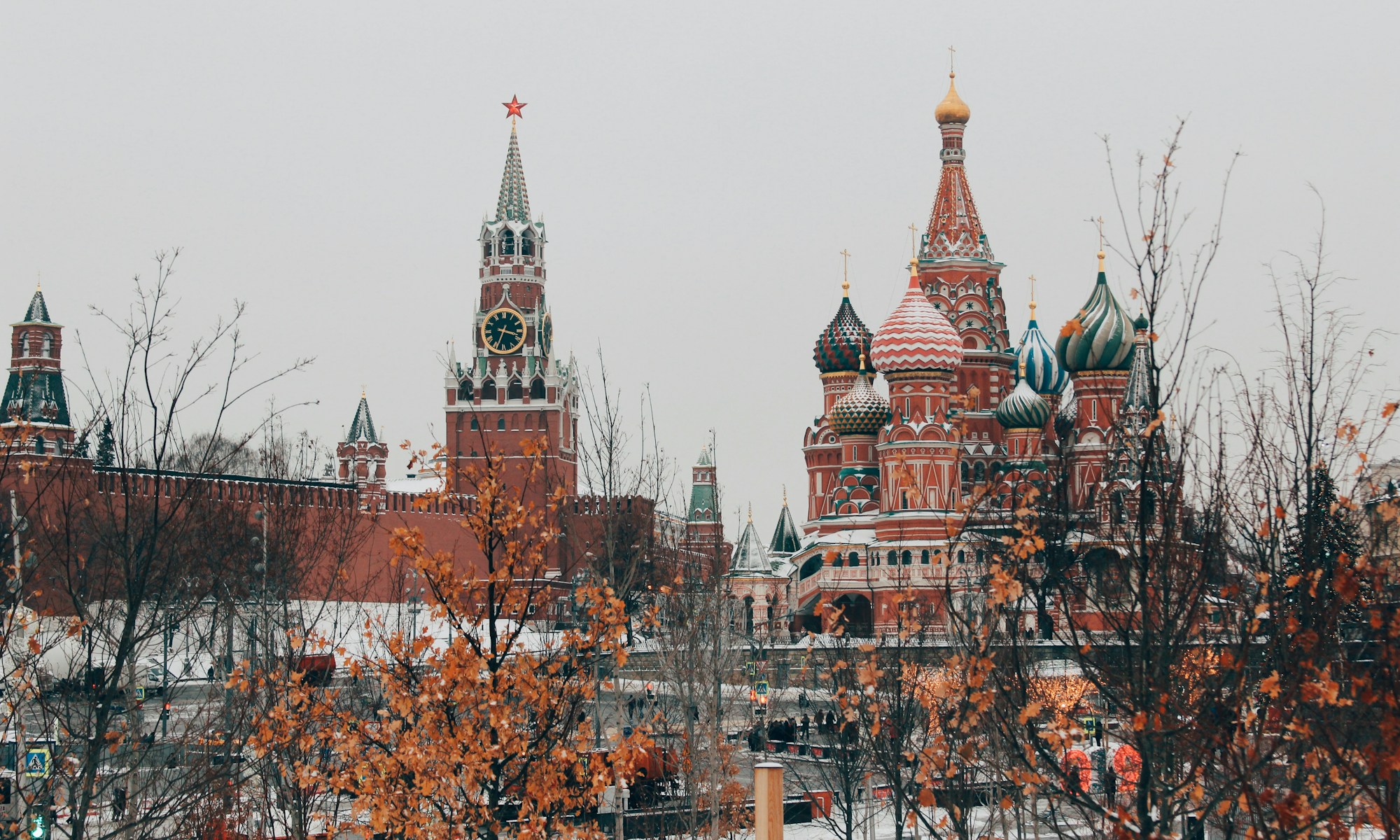
brown and gray concrete building during daytime

26 August 2021 – by Rachel Aronoff

Rapid warming in regions across Russia has left millions in danger of displacement. 

Climate scientists report that Russia is warming at 2.5 times the global average.1 Throughout 2020, Siberia experienced abnormally high temperatures and record breaking heat waves that peaked at 100º fahrenheit, (38º celsius).2 During the winter, temperatures were 50-59ºF (10-15ºC) above average.3 For reference, the median seasonal temperatures in this region tend to range from 60ºF (20ºC) in the summer to -13ºF (-25ºC) in the winter, with record lows reaching -90ºF (-67.8ºC) in northeastern areas of Russia.4

Siberia’s record high (100ºF) and low (-90ºF) display a temperature difference of 190ºF (87ºC). This spread exceeds some of the largest temperature deviations on earth.

Frequent and intense variations in the country’s seasonality have exacerbated extreme temperature anomalies. These changes act as a catalyst for environmental disaster, feuling massive wildfires, torrential flooding, and melting of permafrost. 

A vast majority of Siberian fires are burning above carbon-abundant peatlands and frozen soil that overlie actively thawing permafrost. These conditions have destabilized both rural and urban regions of Russia, resulting in increased damage to pipelines and the collapse of infrastructure. A report released from the Krasnoyarsk territory wrote that 60% of all structures in the closed city of Norilsk are deformed due to permafrost loss, adding to the displacement of its dense population.6

Research reveals that Siberian forest fires have caused a surge in carbon emissions by nearly one-third (395 megatonnes in 2020), in comparison to 208 megatonnes in 2019.

An increase in tundra fires has also given rise to a fairly new phenomenon known as ‘zombie’ fires. These burns stem from summertime wildfires that survive throughout the depths of winter, brewing beneath the snow packed surface. They remain insulated by highly flammable, carbon-rich vegetation that smolders and reignites as the ground defrosts.8

These fires have begun creeping further into northern spreads of Siberia, where peatland is plentiful. Peat fires emit 100 times more carbon than typical wildfires, and can be more difficult to extinguish.9 As fires continue to emerge in permafrost zones, the release of methane and other hydrocarbons will intensify global warming. 

Scientists warn that the permafrost layer may disappear completely within the next three decades if current warming trends prevail.10 These changes are predicted to release 100s of billions of tons of Co2 into the atmosphere, which will compound climate-sensitive issues around the world.11 

Widespread flooding in Siberia has also contributed to large-scale degradation and displacement. During the summer of 2019, flash floods inundated nearly 103 communities, leaving 33,000 people displaced and 2,165 in immediate need of medical assistance.12

Extreme variations in regional rainfall characteristics have amplified the frequency and magnitude of recent floods. In June of 2021, the Crimean City of Yalta declared a state of emergency after a cyclone hit the Black Sea Peninsula, lashing the region with intense rain. So far, the floods have submerged the city of Kerch and some surrounding districts, forcing more than 1,300 people to evacuate their homes.13 

A pervasive concern is that the Kremlin will continue to neglect the ever-present manifestations of climate change. However, the impacts of environmental disaster and displacement may eventually make climate policy too difficult to deflect. 

The future of Russia’s socioeconomic well-being rests on the implementation of a strong adaptation framework. It will be crucial for nations to work in union against the adverse effects of anthropogenic warming in order to curtail climate collapse.


Rachel Aronoff recently graduated from UC Santa Barbara with a degree in English, and a specialization in Literature and the Environment. She is also certified in health and wellness coaching, personal training, and in the process of becoming a yoga instructor.


References

1 Nilsen, Thomas. (2015). Arctic Russia is warming 2.5 times faster than rest of the globe. The Barents Observer. Retrieved June 18, 2021. https://thebarentsobserver.com/ru/node/158

2 Erdman, Jonathan. (2020). 100-Degree Fahrenheit Temperature Confirmed in Siberia; 90s Measured at Russian Arctic Coast. The Weather Channel. Retrieved June 18, 2021.https://weather.com/news/climate/news/2020-07-02-russia-100-degree-heat-record-confirmed

3 Question More. (2020).  Siberia prepares for abnormally warm winter weather after year of record-breaking heat. RT Question More. Retrieved June 18, 2021. https://www.rt.com/russia/506198-siberia-abnormally-warm-winter/ 

4 Erdman, Jonathan. (2020)

5 Erdman, Jonathan. (2020)

6 Federal AIF. (2016). An attack on permafrost. Emergencies Ministry creates Arctic rescue centers. AIF. Retrieved June 18, 2021. https://aif.ru/society/safety/nastuplenie_na_vechnuyu_merzlotu_mchs_sozdayot_arkticheskie_spasatelnye_centry 

7 Newsflash Reading. (2020). Copernicus reveals summer 2020’s Arctic wildfires set new emission records. Copernicus. Retrieved June 18, 2021. https://atmosphere.copernicus.eu/copernicus-reveals-summer-2020s-arctic-wildfires-set-new-emission-records 

8 Freedman, Andrew. (2020). ‘Zombie fires’ are erupting in Alaska and likely Siberia, signaling severe Arctic fire season may lie ahead. The Washington Post. Retrieved June 18, 2021. https://www.washingtonpost.com/weather/2020/05/28/zombie-fires-burning-arctic-siberia/ 

9 Simon, Matt. (2021). Underground “zombie” peat fires release 100 times the carbon of wildfires. The Bulletin. Retrieved June 18, 2021. https://thebulletin.org/2021/03/underground-zombie-peat-fires-release-100-times-the-carbon-of-wildfires/ 

10 Conley, Heather and Newlin, Cyrus. (2021). Climate Change Will Reshape Russia. Center For Strategic and International Studies. Retrieved June 18, 2021.https://www.csis.org/analysis/climate-change-will-reshape-russia 

11 Technical Summary. (n.d) SPECIAL REPORT: SPECIAL REPORT ON THE OCEAN AND CRYOSPHERE IN A CHANGING CLIMATE. IPCC. Retrieved June 18, 2021. https://www.ipcc.ch/srocc/chapter/technical-summary/ 

12 News. (2019). Over 400 people injured by East Siberia floods. Russian News Agency. Retrieved June 18, 2021. https://tass.com/emergencies/1067371 

13 Davies, Richard. (2021). Crimea – Over 1,300 Evacuated After Severe Flooding. Floodlist. Retrieved June 18, 2021. http://floodlist.com/europe/crimea-floods-june-2021 
The Effect of 5G Networks on the Right to a Healthy Environment

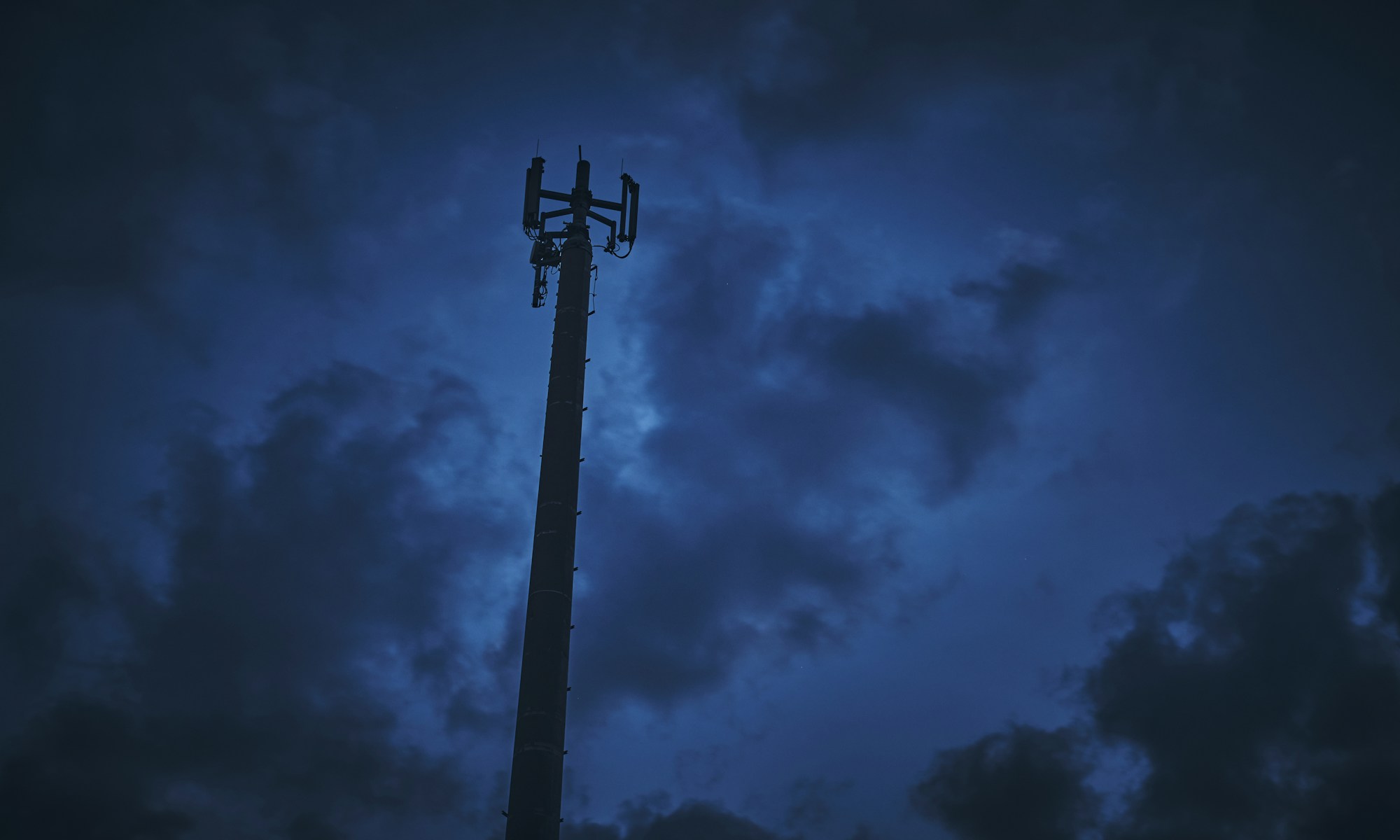
black metal post under cloudy sky

16 August 2021 – by Nabil Iqbal

The advent of the Fifth Generation (5G) networking system can be seen as a progressive step in our fast-growing world. However, one important aspect which should concern both governments and service providers is the effect of the 5G networking system on the right to a healthy environment.

In 2020, the issue was raised by scientists and doctors from 36 countries in an appeal to the European Union. The concerns were encompassed by numerous issues that have a direct link to the right to a healthy environment.

Escalations in Energy Consumption

There will be a massive escalation in energy consumption as large volumes of new components will be manufactured to enable the initiation of the 5G networking system. Such an enormous increase in energy consumption will directly affect and play a key role in climate change, as referred to in the IEA’s 2010 Report. Notably, approximately 4% of global electricity consumption and 1.4% of global carbon emissions are linked to telecommunication. The Ericsson Mobility Report projects that by the year 2025, 5G could have an estimated number of 2.6 billion users, and that the total number of global mobile subscribers could reach 5.8 billion.

As a result of these projections, it is believed that information technology could account for one-fifth of total global electricity consumption. By the year 2040, information technology could account for around 14% of global greenhouse gas emissions. In this way, the 5G system lacks energy efficiency and is not sustainable.

Increase in E-Waste

E-waste is made up of numerous components, the majority of which are hazardous. When these components are dismantled and inappropriately processed, they contribute to water, soil, and air contamination, and pose a serious risk to the right to a healthy environment. The Basel Convention was the first treaty that endeavored to safeguard human health – as well as the environment – against the detriment that has continually persisted through generations, management of businesses and corporations, transboundary movements, and the disposal of hazardous waste.

Notably, following the Fourth Meeting of the Conference of the Parties, E-waste was added to Annex VIII of the Convention. In 2011, the Mobile Phone Partnership Initiative (MPPI) was formally adopted at the Tenth Meeting of the Conference of the Parties to the Basel Convention in Columbia. Its purpose was to encourage environmentally-friendly consumer behavior, and to advance a better alternative for reuse and material recycling. However, the effectiveness of the initiative is yet to be evaluated.

In 2015, an outline for the Agenda for Sustainable Development 2030 was adopted by the United Nations General Assembly, encompassing the 17 integrated Sustainable Development Goals (SDGs). E-waste is specifically linked to many of these targets, and the increase in worldwide levels of E-waste poses a threat to the achievement of the SDGs.

The production of new devices incorporating the latest 5G network would accelerate the demand for this technology in replacement of older versions, which would in turn increase E-waste levels. The Global E-waste Monitor reports that global E-waste is estimated to reach about 74 megatonnes by the year 2030. This is about double the 2014 figures, and would further fuel higher rates of electricity consumption and the use of electronics with a much shorter lifecycle and fewer repair alternatives. In order for countries to manage and minimize E-waste in an efficacious and sustainable manner, coordinated action is required.

Threats to the Ecosystem

A survey by Ericcson indicates that in order to establish effective 5G networks, 70 million towers would have to be installed across the world by the year 2025. Such extensive installations would increase harmful emissions of 5G technology radio frequency waves. The known effects of towers and radio frequency waves on the ecosystem are multifaceted in that they affect human beings, birds, and insects.

Humans

According to the World Health Organization’s International Agency for Research on Cancer (IARC) 2011 report, radio frequency waves pose a potential threat of cancer in humans. In the same year, the Parliamentary Assembly of the Council of Europe released Resolution 1815 on the Potential Dangers of Electromagnetic Fields and their Consequences on the Environment. It called upon European governments to take all reasonable steps that required to mitigate exposure to electromagnetic fields, especially to children and young people who are potentially more vulnerable to developing head tumors.

In 2020, the Health Council of the Netherlands provided a detailed report evaluating the effect of 5G technology on the health of humans. The Council advised avoiding using higher frequency bands, since the risk associated with such higher frequency has not yet been declared. In light of this, the Council appealed to the European Union and requested a moratorium on the roll out of 5G technology until further research has been conducted to trace any potential health risks.

Birds and insects

The impact of cellphone towers and radio frequency waves on birds has been established in various research studies. In 2012, the Indian Environment Ministry published a report acknowledging the negative impact of the effect of cellphone towers on birds and bees. In a similar research study conducted in Spain, it was found that the radiation from these towers negatively affects the reproduction of birds. Further research has shown that insects – including honeybees – absorb a significant amount of radiation from the 5G spectrum. This causes alterations in both the function and behavior of insects.

Conclusion

This new and advanced technology is spreading rapidly across the globe, in spite of the serious threats it poses.

The developers of 5G are attempting to establish a network with a less harmful effect on the environment, but the results of this are yet to be ascertained. It should have been imperative that the implications of 5G networking were considered prior to its roll out, and governmental and international organizations still have not taken a hands-on approach. Efforts are allegedly being made to nullify the threats posed by 5G, but the authenticity of these reports is questionable.

The right to a healthy environment is crucially already under threat, and this should guide developers to consider the potential dangers posed by new technologies. Prevention lies in abiding by existing environmental policies, so that technological advancement is on par with the right to a healthy environment.